Notice: تابع WP_Block_Type_Registry::register به طورنادرست فراخوانی شد. نامهای نوع بلوک نباید حروف بزرگ داشته باشند. لطفاً برای اطلاعات بیشتر، اشکال زدایی در وردپرس را مشاهده کنید. (این پیام در نگارش 5.0.0 افزوده شده است.) in /home/ethicsho/public_html/wp-includes/functions.php on line 5313
Warning: Use of undefined constant TDC_PATH_LEGACY - assumed 'TDC_PATH_LEGACY' (this will throw an Error in a future version of PHP) in /home/ethicsho/public_html/wp-content/plugins/td-composer/td-composer.php on line 109
Warning: Use of undefined constant TDSP_THEME_PATH - assumed 'TDSP_THEME_PATH' (this will throw an Error in a future version of PHP) in /home/ethicsho/public_html/wp-content/plugins/td-composer/td-composer.php on line 113 بایگانیهای 2594 - خانه اخلاق پژوهان جوان Notice: Trying to access array offset on value of type bool in /home/ethicsho/public_html/wp-content/plugins/wp-ulike/inc/general-functions.php on line 807
This book offers a critical and thought-provoking analysis of some of the fundamental questions about the nature and purpose of education. It includes ideas such as the demands of pluralism and the liberal fear of indoctrination.
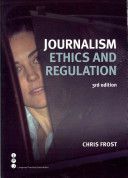
“Technology, and the democratising of news gathering, continue to change traditional journalistic practice making the path through ethical and regulatory frameworks tough to negotiate. As high-profile celebrity cases such as Max Mosley’s vividly illustrate, conflicts between the law, ethics and the public’s right and desire to be informed are not easily resolved. This comprehensive volume addresses the ethical considerations, dilemmas and challenges the practising journalist faces, each minute, every day. Providing context and practical advice, it explores an area of crucial importance for the 21st century, thoroughly equipping the reader with the information and tools to negotiate this challenging area knowledgeably, practically and responsibly.”– Publisher.
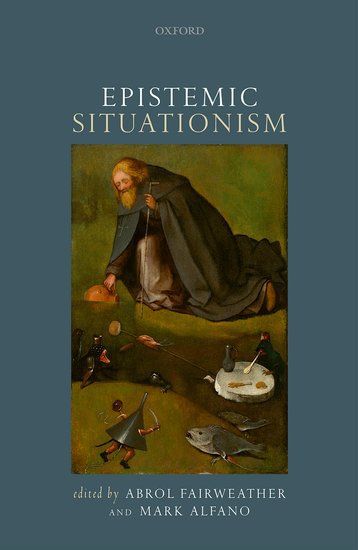
“This volume is the first sustained examination of epistemic situationism, the clash between virtue epistemology and the situationist hypothesis supported by research in empirical psychology. Current research in social psychology suggests that environmental variables have greater explanatory and predictive power than traits in explaining human behavior and this has raised serious challenges to ethical theories, such as virtue ethics, that rely on a psychology of personality traits. However, virtue epistemology appears to assume the same trait-based psychology as virtue ethics does, and the research challenging virtue theories in ethics is relevant to philosophical theorizing about knowledge as well. Until recently virtue epistemology and situationism were separate literatures, but philosophers have begun to examine the apparent incompatibility between situationist psychology and virtue epistemology. Much of the psychological research that raises questions about the empirical adequacy of the moral psychology of virtue ethics also appears to raise doubts about the empirical adequacy of the epistemic psychology assumed by virtue epistemology. Responsibilist virtue epistemology appears particularly vulnerable because epistemic virtues like open-mindedness, conscientiousness, and intellectual courage are traits of intellectual character, but reliabilist virtue epistemology appeals to the psychology of cognitive skill, abilities, and competences that may be similarly vulnerable. The essays in this volume take up this new problem of epistemic situationism from multiple points of view – some skeptical or revisionary, others conservative.”–
In the immediate future we are likely to witness significant developments in human genetic science. It is therefore of critical importance that Christian ethics engages with the genetics debate, since it affects not just the way we perceive ourselves and the natural world, but also has wider implications for our society. This book considers ethical issues arising out of specific practices in human genetics, including genetic screening, gene patenting, gene therapy, genetic counselling as well as feminist concerns. Genetics and Christian Ethics argues for a particular theo-ethical approach that derives from a modified version of virtue ethics, drawing particularly on a Thomistic understanding of the virtues, especially prudence or practical wisdom and justice. The book demonstrates that a theological voice is highly relevant to contested ethical debates about genetics.
ما از اخلاق چه انتظاری داریم؟ این سوال شاید تاحدودی برای عموم مردم و یا متخصصان این رشته قابل پاسخ باشد؛ اینکه خوب بودن را به ما بیاموزد و در تنظیم روابط فردی م...

جشن کتاب تهران به ایستگاه سی و یکم رسیده است. حال و احوال نشر کتاب خوب نیست و باید فرهنگدوستان را به خرید و هدیه دادن کتاب ترغیب نمود. خانه اخلاقپژوهان جوان ب...

بنیاد کتابهای اخلاق اسلامی عمدتا پالایش جان از آلودگیها و آراستن آن به زیباییها است. اندیشه محوری این قبیل کتابها آن است که انسان فعلی آنی نیست که باید باشد...

-
0 Comments