Notice: تابع WP_Block_Type_Registry::register به طورنادرست فراخوانی شد. نامهای نوع بلوک نباید حروف بزرگ داشته باشند. لطفاً برای اطلاعات بیشتر، اشکال زدایی در وردپرس را مشاهده کنید. (این پیام در نگارش 5.0.0 افزوده شده است.) in /home/ethicsho/public_html/wp-includes/functions.php on line 5313
Warning: Use of undefined constant TDC_PATH_LEGACY - assumed 'TDC_PATH_LEGACY' (this will throw an Error in a future version of PHP) in /home/ethicsho/public_html/wp-content/plugins/td-composer/td-composer.php on line 109
Warning: Use of undefined constant TDSP_THEME_PATH - assumed 'TDSP_THEME_PATH' (this will throw an Error in a future version of PHP) in /home/ethicsho/public_html/wp-content/plugins/td-composer/td-composer.php on line 113 بایگانیهای 2406 - خانه اخلاق پژوهان جوان Notice: Trying to access array offset on value of type bool in /home/ethicsho/public_html/wp-content/plugins/wp-ulike/inc/general-functions.php on line 807
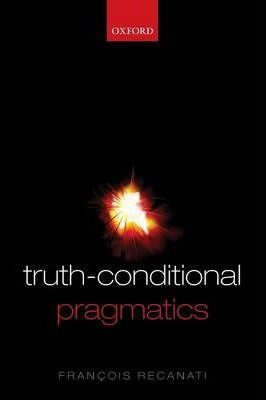
Francois Recanati argues against the traditional understanding of the semantics/pragmatics divide and puts forward a radical alternative. Through half a dozen case studies, he shows that what an utterance says cannot be neatly separated from what the speaker means. In particular, the speaker’s meaning endows words with senses that are tailored to the situation of utterance and depart from the conventional meanings carried by the words in isolation. This phenomenon of ‘pragmatic modulation’ must be taken into account in theorizing about semantic content, for it interacts with the grammar-driven process of semantic composition. Because of that interaction, Recanati argues, the content of a sentence always depends upon the context in which it is used. This claim defines Contextualism, a view which has attracted considerable attention in recent years, and of which Recanati is one of the main proponents.
This long-awaited study of the most enigmatic figure of Greek philosophy reclaims Socrates’ ground-breaking originality. Written by a leading historian of Greek thought, it argues for a Socrates who, though long overshadowed by his successors Plato and Aristotle, marked the true turning point in Greek philosophy, religion and ethics. The quest for the historical figure focuses on the Socrates of Plato’s earlier dialogues, setting him in sharp contrast to that other Socrates of later dialogues, where he is used as a mouthpiece for Plato’s often anti-Socratic doctrine. At the heart of the book is the paradoxical nature of Socratic thought. But the paradoxes are explained, not explained away. The book highlights the tensions in the Socratic search for the answer to the question ‘How should we live?’ Conceived as a divine mandate, the search is carried out through elenctic argument, and dominated by an uncompromising rationalism. The magnetic quality of Socrates’ personality is allowed to emerge throughout the book. Clearly and forcefully written, philosophically sophisticated but entirely accessible to non-specialists, this book will be of major importance and interest to all those studying ancient philosophy and the history of Western thought.
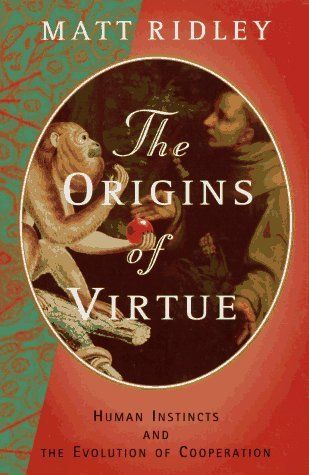
If evolution by natural selection relentlessly favors self-interest, why do human beings live in complex societies and show so much cooperative spirit? In The Origins of Virtue, Matt Ridley, a zoologist and former American editor of the Economist, shows that recent research in a number of fields has suggested a resolution of the apparent contradiction between self-interest and mutual aid.
The Right and the Good, a classic of twentieth-century philosophy by the eminent scholar Sir David Ross, is now presented in a new edition with a substantial introduction by Philip Stratton-Lake, a leading expert on Ross. Ross’s book is the pinnacle of ethical intuitionism, which was the dominant moral theory in British philosophy for much of the nineteenth and early twentieth century. Intuitionism is now enjoying a considerable revival, and Stratton-Lake provides the context for a proper understanding of Ross’s great work today.
ما از اخلاق چه انتظاری داریم؟ این سوال شاید تاحدودی برای عموم مردم و یا متخصصان این رشته قابل پاسخ باشد؛ اینکه خوب بودن را به ما بیاموزد و در تنظیم روابط فردی م...

جشن کتاب تهران به ایستگاه سی و یکم رسیده است. حال و احوال نشر کتاب خوب نیست و باید فرهنگدوستان را به خرید و هدیه دادن کتاب ترغیب نمود. خانه اخلاقپژوهان جوان ب...

بنیاد کتابهای اخلاق اسلامی عمدتا پالایش جان از آلودگیها و آراستن آن به زیباییها است. اندیشه محوری این قبیل کتابها آن است که انسان فعلی آنی نیست که باید باشد...

-
0 Comments