Notice: تابع WP_Block_Type_Registry::register به طورنادرست فراخوانی شد. نامهای نوع بلوک نباید حروف بزرگ داشته باشند. لطفاً برای اطلاعات بیشتر، اشکال زدایی در وردپرس را مشاهده کنید. (این پیام در نگارش 5.0.0 افزوده شده است.) in /home/ethicsho/public_html/wp-includes/functions.php on line 5313
Warning: Use of undefined constant TDC_PATH_LEGACY - assumed 'TDC_PATH_LEGACY' (this will throw an Error in a future version of PHP) in /home/ethicsho/public_html/wp-content/plugins/td-composer/td-composer.php on line 109
Warning: Use of undefined constant TDSP_THEME_PATH - assumed 'TDSP_THEME_PATH' (this will throw an Error in a future version of PHP) in /home/ethicsho/public_html/wp-content/plugins/td-composer/td-composer.php on line 113 بایگانیهای 2394 - خانه اخلاق پژوهان جوان Notice: Trying to access array offset on value of type bool in /home/ethicsho/public_html/wp-content/plugins/wp-ulike/inc/general-functions.php on line 807
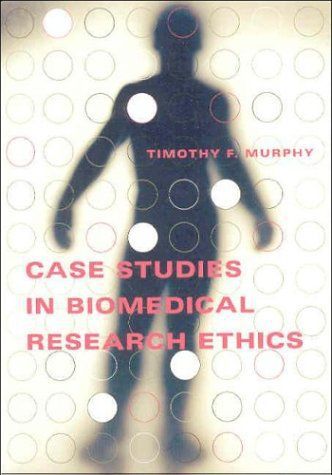
This textbook for instruction in biomedical research ethics can also serve as a valuable reference for professionals in the field of bioethics. The 149 cases included in the book are grouped in nine chapters, each of which covers a key area of debate in the field. Some of the case studies are classics, including the famous cases of the Tuskegee Syphilis Study (in which subjects with syphilis were not given treatment) and the Willowbrook hepatitis studies (in which institutionalized subjects were intentionally exposed to hepatitis). Others focus on such current issues as human embryonic stem cell research, cloning by somatic nuclear transfer, and the design and function of institutional review boards. Each chapter begins with a brief introduction that places the issues raised in context; this is followed by a number of cases (each of which is no more than a few pages). Study questions meant to encourage further discussion follow each case.After an introductory discussion of the history and tenets of ethics in medical research, the book’s chapters cover the topics of oversight and study design; informed consent; the selection of subjects; conflicts of interest; the social effects of research; embryos, fetuses, and children; genetic research; the use of animals; and authorship and publication. Following these chapters are appendixes with the texts of the Nuremburg Code and the World Declaration of Geneva, two key documents in the establishment of bioethical standards for research. Also included are a glossary, a table of cases by general category, and an alphabetical listing of cases.
Why do people lie? Do gender and personality differences affect how people lie? How can lies be detected? Detecting Lies and Deceit provides the most comprehensive review of deception to date. This revised edition provides an up-to-date account of deception research and discusses the working and efficacy of the most commonly used lie detection tools, including: Behaviour Analysis Interview Statement Validity Assessment Reality Monitoring Scientific Content Analysis Several different polygraph tests Voice Stress Analysis Thermal Imaging EEG-P300 Functional Magnetic Resonance Imaging (fMRI) All three aspects of deception are covered: nonverbal cues, speech and written statement analysis and (neuro)physiological responses. The most common errors in lie detection are discussed and practical guidelines are provided to help professionals improve their lie detection skills. Detecting Lies and Deceit is a must-have resource for students, academics and professionals in psychology, criminology, policing and law. Published in the Wiley Series in the Psychology of Crime, Policing and Law Seried Editors: Professor Graham Davies and Professor Ray Bull, University of Leicester, UK
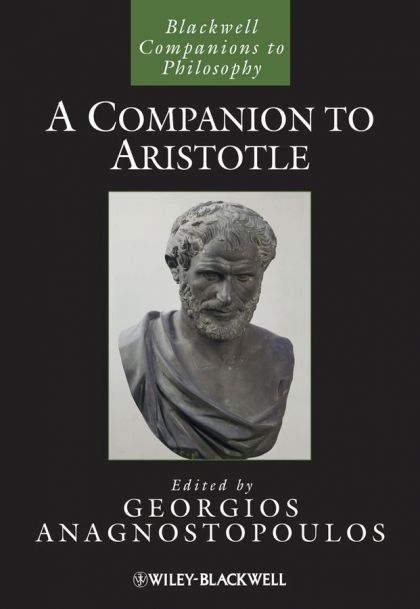
The Blackwell Companion to Aristotle provides in-depth studies of the main themes of Aristotle’s thought, from art to zoology. The most comprehensive single volume survey of the life and work of Aristotle Comprised of 40 newly commissioned essays from leading experts Coves the full range of Aristotle’s work, from his ‘theoretical’ inquiries into metaphysics, physics, psychology, and biology, to the practical and productive “sciences” such as ethics, politics, rhetoric, and art
The Nineteenth Century provides a broad, scholarly introduction to nineteenth-century philosophy. It also contains a glossary of philosophical terms and a chronological table of philosophical and cultural events.
ما از اخلاق چه انتظاری داریم؟ این سوال شاید تاحدودی برای عموم مردم و یا متخصصان این رشته قابل پاسخ باشد؛ اینکه خوب بودن را به ما بیاموزد و در تنظیم روابط فردی م...

جشن کتاب تهران به ایستگاه سی و یکم رسیده است. حال و احوال نشر کتاب خوب نیست و باید فرهنگدوستان را به خرید و هدیه دادن کتاب ترغیب نمود. خانه اخلاقپژوهان جوان ب...

بنیاد کتابهای اخلاق اسلامی عمدتا پالایش جان از آلودگیها و آراستن آن به زیباییها است. اندیشه محوری این قبیل کتابها آن است که انسان فعلی آنی نیست که باید باشد...

-
0 Comments