Notice: تابع WP_Block_Type_Registry::register به طورنادرست فراخوانی شد. نامهای نوع بلوک نباید حروف بزرگ داشته باشند. لطفاً برای اطلاعات بیشتر، اشکال زدایی در وردپرس را مشاهده کنید. (این پیام در نگارش 5.0.0 افزوده شده است.) in /home/ethicsho/public_html/wp-includes/functions.php on line 5313
Warning: Use of undefined constant TDC_PATH_LEGACY - assumed 'TDC_PATH_LEGACY' (this will throw an Error in a future version of PHP) in /home/ethicsho/public_html/wp-content/plugins/td-composer/td-composer.php on line 109
Warning: Use of undefined constant TDSP_THEME_PATH - assumed 'TDSP_THEME_PATH' (this will throw an Error in a future version of PHP) in /home/ethicsho/public_html/wp-content/plugins/td-composer/td-composer.php on line 113 بایگانیهای 235 - خانه اخلاق پژوهان جوان Notice: Trying to access array offset on value of type bool in /home/ethicsho/public_html/wp-content/plugins/wp-ulike/inc/general-functions.php on line 807
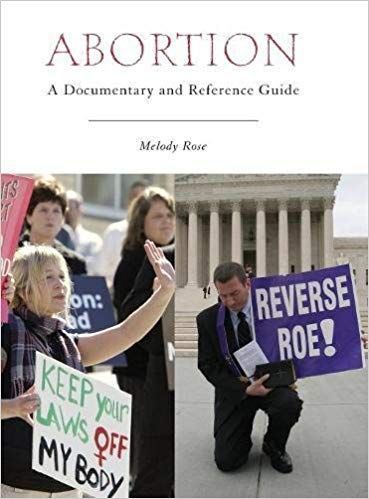
Today abortion is America’s most contentious political and religious rallying point. Yet 150 years ago it was a virtual non-issue, quietly performed for centuries by women and mid-wives. What changed? This thought-provoking reference work explores the evolution of America’s abortion debate in a balanced selection of over 40 primary documents by doctors, feminists, religious leaders, politicians, extremists, and judges from the 19th century to the present day. This guide not only examines the key laws and court cases, like Roe v. Wade and the Partial Birth Abortion Ban, that have determined abortion policy, but offers insight into America’s changing attitudes towards women, race, the medical field, and the role of government in its citizens’ personal lives. Memoirs of early abortion providers, excerpts from popular women’s self-help books, the complete text of Pope Paul VI’s Humanae Vitae, and personal writings from key liberal and conservative figures on both sides of the debate provide a more complete picture of an issue that is deeply personal, deeply divisive, and anything but clear-cut. A straightforward and accessible book, ideal for both students and general readers looking to expand their understanding of one of the most complicated, and still unresolved, issues of our day. Documents are presented in easy-to-use chronological order, divided into 7 chapters exploring the various eras of the abortion debate. Chapter 1: (19th century) The state’s minimal role in abortions, the nascent women’s movement, and a medical movement to restrict abortion provision. Chapter 2: (1905 – 1960) America’s strictest era of abortion policy. The ideology of motherhood vs. post-suffrage women’s desire to control their fertility. Chapter 3: (1965-1971). Voices for decreased abortion restrictions and tragic consequences of illegal abortions. Chapter 4: (1973 – 983) Results of and immediate academic responses to the movement to liberalize abortion policy. Chapter 5: (1984 -1989) The growing role of political parties in abortion politics. Chapter 6: (1991-1996) The movement to protect the fetus. Chapter 7: (2001-2005) Impact of the fetal rights movement and successes in restricting abortion access. Each excerpt is preceded by a brief explanation of its significance and followed by author analysis to help readers understand its implications and the historical context in which is it was written. Readers gain direct access to America’s most important legal papers and transcripts on abortion, complimented by a well rounded view of the public beliefs and sentiments that have fueled abortion debates. Suggestions for further reading conclude each chapter, perfect for research or to guide interested readers in their search for material. The front matter includes a Timeline of major events in abortion history, and the back matter, offers a Bibliography of 50 titles on abortion and over 30 Web links.
This book is an attempt to explain how, in the face of increasing religious authoritarianism in medieval Islamic civilization, some Muslim thinkers continued to pursue essentially humanistic, rational, and scientific discourses in the quest for knowledge, meaning, and values. Drawing on a wide range of Islamic writings, from love poetry to history to philosophical theology, Goodman shows that medieval Islam was open to individualism, occasional secularism, skepticism, even liberalism.
ما از اخلاق چه انتظاری داریم؟ این سوال شاید تاحدودی برای عموم مردم و یا متخصصان این رشته قابل پاسخ باشد؛ اینکه خوب بودن را به ما بیاموزد و در تنظیم روابط فردی م...

جشن کتاب تهران به ایستگاه سی و یکم رسیده است. حال و احوال نشر کتاب خوب نیست و باید فرهنگدوستان را به خرید و هدیه دادن کتاب ترغیب نمود. خانه اخلاقپژوهان جوان ب...

بنیاد کتابهای اخلاق اسلامی عمدتا پالایش جان از آلودگیها و آراستن آن به زیباییها است. اندیشه محوری این قبیل کتابها آن است که انسان فعلی آنی نیست که باید باشد...

-
0 Comments