Notice: تابع WP_Block_Type_Registry::register به طورنادرست فراخوانی شد. نامهای نوع بلوک نباید حروف بزرگ داشته باشند. لطفاً برای اطلاعات بیشتر، اشکال زدایی در وردپرس را مشاهده کنید. (این پیام در نگارش 5.0.0 افزوده شده است.) in /home/ethicsho/public_html/wp-includes/functions.php on line 5313
Warning: Use of undefined constant TDC_PATH_LEGACY - assumed 'TDC_PATH_LEGACY' (this will throw an Error in a future version of PHP) in /home/ethicsho/public_html/wp-content/plugins/td-composer/td-composer.php on line 109
Warning: Use of undefined constant TDSP_THEME_PATH - assumed 'TDSP_THEME_PATH' (this will throw an Error in a future version of PHP) in /home/ethicsho/public_html/wp-content/plugins/td-composer/td-composer.php on line 113 بایگانیهای 2348 - خانه اخلاق پژوهان جوان Notice: Trying to access array offset on value of type bool in /home/ethicsho/public_html/wp-content/plugins/wp-ulike/inc/general-functions.php on line 807
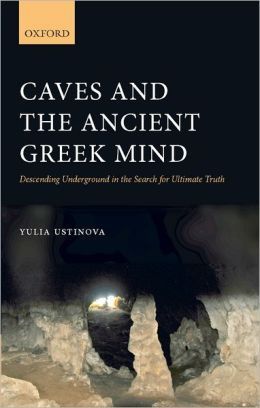
Caves and the Ancient Greek Mind analyses techniques of searching for ultimate wisdom in ancient Greece. The Greeks perceived mental experiences of exceptional intensity as resulting from divine intervention. They believed that to share in the immortals’ knowledge, one had to liberate the soul from the burden of the mortal body by attaining an altered state of consciousness, that is, by merging with a superhuman being or through possession by a deity. These states were often attained by inspired mediums, `impresarios of the gods’ – prophets, poets, and sages – who descended into caves or underground chambers. Yulia Ustinova juxtaposes ancient testimonies with the results of modern neuropsychological research. This novel approach enables an examination of religious phenomena not only from the outside, but also from the inside: it penetrates the consciousness of people who were engaged in the vision quest, and demonstrates that the darkness of the caves provided conditions vital for their activities.
“This essay is divided into five chapters. In the first the questions initially posed about our desires and how we should think about them are questions that plain non philosophical persons often find themselves asking. When however they carry their attempt to answer these questions a little further, they find that they have, perhaps inadvertently, become philosophers, and that they need some at least of the conceptual and argumentative resources which professional philosophers provide. So their enquiry, like this one, becomes philosophical. But philosophy in our culture has become an almost exclusively specialized academic discipline whose practitioners for the most part address only each other rather than the educated lay person. Moreover those same practitioners have for the last fifty years been harassed by the academic system into publishing more and more as a condition for academic survival, so that on most topics of philosophical interest there is by now an increasingly large, an often unmanageable large body of literature that has to be read as a prologue before adding to it one more item. Readers should be warned that my references to this literature are selective and few. Had I conscientiously attempted not only to find my way through all the relevant published writing in the philosophy of mind and in ethics, but then also explained how I had come to terms with the claims advanced by its authors, I would have had to write at impossible length and in a format that would have made this essay inaccessible to the lay reader for whom it is written”–
This thorough study answers those who would revise the message of Scripture. Using the Bible, Jewish literature, and information from ancient cultures, it provides the knowledge necessary to respond with confidence, compassion, and honesty to demands that Christians accept active homosexuality.
Ronald F. Duska, who began his career as a philosopher, has, over the last 30 years, established himself as one of the leading scholars in the field of business ethics. In the past decade, he has concentrated on ethics in the financial services industry because of his affiliation with The American College in Bryn Mawr, Pennsylvania, an institution that specializes in educating financial services professionals. This affiliation gives Duska regular interaction with producers, managers, and top executives in the financial services industry. This book includes a selection of the articles Duska has written throughout the years on ethics, business ethics, teaching ethics, agency theory, postmodernism, employee rights, and ethics in accounting and the financial services industry. The articles reflect Duska’s underlying philosophical concerns and their application to the real-world challenges of practitioners–an overarching method that might be called an Aristotelian common-sense approach to ethical decision making.
ما از اخلاق چه انتظاری داریم؟ این سوال شاید تاحدودی برای عموم مردم و یا متخصصان این رشته قابل پاسخ باشد؛ اینکه خوب بودن را به ما بیاموزد و در تنظیم روابط فردی م...

جشن کتاب تهران به ایستگاه سی و یکم رسیده است. حال و احوال نشر کتاب خوب نیست و باید فرهنگدوستان را به خرید و هدیه دادن کتاب ترغیب نمود. خانه اخلاقپژوهان جوان ب...

بنیاد کتابهای اخلاق اسلامی عمدتا پالایش جان از آلودگیها و آراستن آن به زیباییها است. اندیشه محوری این قبیل کتابها آن است که انسان فعلی آنی نیست که باید باشد...

-
0 Comments