Notice: تابع WP_Block_Type_Registry::register به طورنادرست فراخوانی شد. نامهای نوع بلوک نباید حروف بزرگ داشته باشند. لطفاً برای اطلاعات بیشتر، اشکال زدایی در وردپرس را مشاهده کنید. (این پیام در نگارش 5.0.0 افزوده شده است.) in /home/ethicsho/public_html/wp-includes/functions.php on line 5313
Warning: Use of undefined constant TDC_PATH_LEGACY - assumed 'TDC_PATH_LEGACY' (this will throw an Error in a future version of PHP) in /home/ethicsho/public_html/wp-content/plugins/td-composer/td-composer.php on line 109
Warning: Use of undefined constant TDSP_THEME_PATH - assumed 'TDSP_THEME_PATH' (this will throw an Error in a future version of PHP) in /home/ethicsho/public_html/wp-content/plugins/td-composer/td-composer.php on line 113 بایگانیهای 2234 - خانه اخلاق پژوهان جوان Notice: Trying to access array offset on value of type bool in /home/ethicsho/public_html/wp-content/plugins/wp-ulike/inc/general-functions.php on line 807
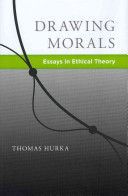
This volume contains selected essays in moral and political philosophy by Thomas Hurka. The essays address a wide variety of topics, from the well-rounded life and the value of playing games to proportionality in war and the ethics of nationalism. They also share a common aim: to illuminate the surprising richness and subtlety of our everyday moral thought by revealing its underlying structure, which they often do by representing that structure on graphs. More specifically, the essays all give what the first in the volume calls “structural” as against “foundational” analyses of moral views. Eschewing the grander ambition of grounding our ideas about, say, virtue or desert in claims that use different concepts and concern some other, allegedly more fundamental topic, they examine these ideas in their own right and with close attention to their details. As well as illuminating their individual topics, the essays illustrate the insights this structural method can yield.
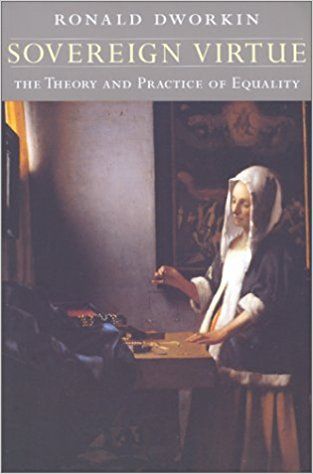
Equality is the endangered species of political ideals. Even left-of-center politicians reject equality as an ideal: government must combat poverty, they say, but need not strive that its citizens be equal in any dimension. In his new book Ronald Dworkin insists, to the contrary, that equality is the indispensable virtue of democratic sovereignty. A legitimate government must treat all its citizens as equals, that is, with equal respect and concern, and, since the economic distribution that any society achieves is mainly the consequence of its system of law and policy, that requirement imposes serious egalitarian constraints on that distribution. What distribution of a nation’s wealth is demanded by equal concern for all? Dworkin draws upon two fundamental humanist principles–first, it is of equal objective importance that all human lives flourish, and second, each person is responsible for defining and achieving the flourishing of his or her own life–to ground his well-known thesis that true equality means equality in the value of the resources that each person commands, not in the success he or she achieves. Equality, freedom, and individual responsibility are therefore not in conflict, but flow from and into one another as facets of the same humanist conception of life and politics. Since no abstract political theory can be understood except in the context of actual and complex political issues, Dworkin develops his thesis by applying it to heated contemporary controversies about the distribution of health care, unemployment benefits, campaign finance reform, affirmative action, assisted suicide, and genetic engineering.
John Pollock aims to construct a theory of rational decision making for real agents–not ideal agents. Real agents have limited cognitive powers, but traditional theories of rationality have applied only to idealized agents that lack such constraints. Pollock argues that theories of ideal rationality are largely irrelevant to the decision making of real agents. Thinking about Acting aims to provide a theory of “real rationality.”
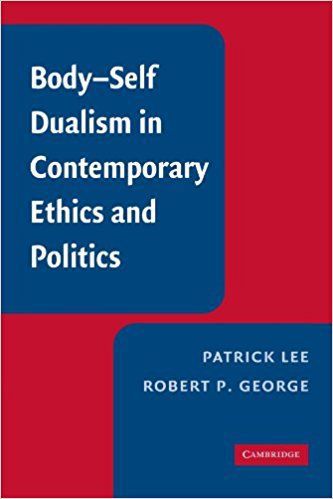
Book Summary of Body-Self Dualism In Contemporary Ethics And PoliticsProfoundly important ethical and political controversies turn on the question of whether biological life is an essential aspect of a human person, or only an extrinsic instrument. Lee and George argue that human beings are physical, animal organisms – albeit essentially rational and free – and examine the implications of this understanding of human beings for some of the most controversial issues in contemporary ethics and politics. The authors argue that human beings are animal organisms and that their personal identity across time consists in the persistence of the animal organisms they are; they also argue that human beings are essentially rational and free and that there is a radical difference between human beings and other animals; criticize hedonism and hedonistic drug-taking; present detailed defenses of the prolife positions on abortion and euthanasia; and defend the traditional moral position on marriage and sexual acts.
ما از اخلاق چه انتظاری داریم؟ این سوال شاید تاحدودی برای عموم مردم و یا متخصصان این رشته قابل پاسخ باشد؛ اینکه خوب بودن را به ما بیاموزد و در تنظیم روابط فردی م...

جشن کتاب تهران به ایستگاه سی و یکم رسیده است. حال و احوال نشر کتاب خوب نیست و باید فرهنگدوستان را به خرید و هدیه دادن کتاب ترغیب نمود. خانه اخلاقپژوهان جوان ب...

بنیاد کتابهای اخلاق اسلامی عمدتا پالایش جان از آلودگیها و آراستن آن به زیباییها است. اندیشه محوری این قبیل کتابها آن است که انسان فعلی آنی نیست که باید باشد...

-
0 Comments