Notice: تابع WP_Block_Type_Registry::register به طورنادرست فراخوانی شد. نامهای نوع بلوک نباید حروف بزرگ داشته باشند. لطفاً برای اطلاعات بیشتر، اشکال زدایی در وردپرس را مشاهده کنید. (این پیام در نگارش 5.0.0 افزوده شده است.) in /home/ethicsho/public_html/wp-includes/functions.php on line 5313
Warning: Use of undefined constant TDC_PATH_LEGACY - assumed 'TDC_PATH_LEGACY' (this will throw an Error in a future version of PHP) in /home/ethicsho/public_html/wp-content/plugins/td-composer/td-composer.php on line 109
Warning: Use of undefined constant TDSP_THEME_PATH - assumed 'TDSP_THEME_PATH' (this will throw an Error in a future version of PHP) in /home/ethicsho/public_html/wp-content/plugins/td-composer/td-composer.php on line 113 بایگانیهای 2018 - خانه اخلاق پژوهان جوان Notice: Trying to access array offset on value of type bool in /home/ethicsho/public_html/wp-content/plugins/wp-ulike/inc/general-functions.php on line 807
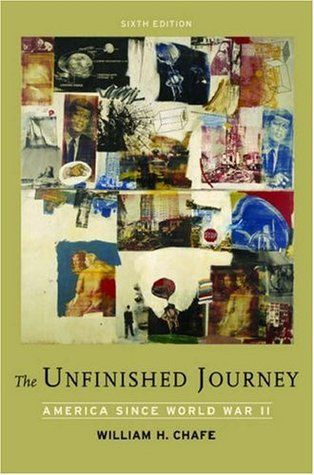
“This popular and classic text chronicles America’s roller-coaster journey through the decades since World War Two. Considering both the paradoxes and the possibilities of postwar America, William H. Chafe portrays the significant cultural and political themes that have colored our country’s past and present, including issues of race, class, gender, foreign policy, and economic and social reform. In this new edition, Chafe provides a nuanced yet unabashed assessment of George W. Bush’s presidency, covering his reelection, the saga of the Iraq War, and the administration’s response to the widespread devastation of Hurricane Katrina.”–BOOK JACKET.
What if there were no objective facts, no objective truth, no objectivity at all, only our belief in them? What if our consciousness itself is an unconscious invention, constructed out of logic and language? In this thought-provoking volume, Lynn Segal describes how the ideas of Heinz von Foerster compel us to explore the question, “Do we discover the world or do we invent it?” and suggests that we must first know how we think before we can claim knowledge of the world. The resulting philosophy, Constructivism, examines the limits of what we can know and argues that understanding these limits can lead us to be more responsible for our personal and collective behavior. After tracing the historical transition from religious belief to a belief in science, Segal examines objectivity from semantic, philosophical, and neurological perspectives. Segal shows that we can never achieve objectivity and that the scientific method ensures only a consensus among observers. Next, he details how language and logic unwittingly predetermine the very conclusions we derive when we try to know the world. Finally, he describes a computational model of cognition that does not depend on first positing the world to account for cognition and consciousness. While Constructivism may seem relevant only to those in the cognitive sciences, it is, in fact, highly relevant to everyone. Paradoxically, grasping the limits of our own under-standing can free us to live more creative and meaningful personal and professional lives.
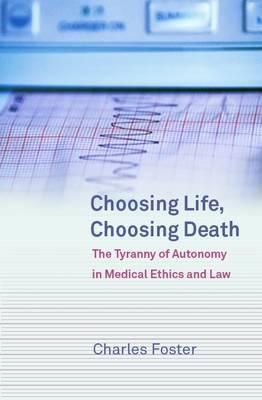
Autonomy is a vital principle in medical law and ethics which occupies a prominent place in all medico-legal and ethical debate. But there is a dangerous presumption that it should have the only vote, or at least the casting vote. This book is an assault
A paradox can be defined as an unacceptable conclusion derived by apparently acceptable reasoning from apparently acceptable premises. Many paradoxes raise serious philosophical problems, and they are associated with crises of thought and revolutionary advances. The expanded and revised third edition of this intriguing book considers a range of knotty paradoxes including Zeno’s paradoxical claim that the runner can never overtake the tortoise, a new chapter on paradoxes about morals, paradoxes about belief, and hardest of all, paradoxes about truth. The discussion uses a minimum of technicality but also grapples with complicated and difficult considerations, and is accompanied by helpful questions designed to engage the reader with the arguments. The result is not only an explanation of paradoxes but also an excellent introduction to philosophical thinking.
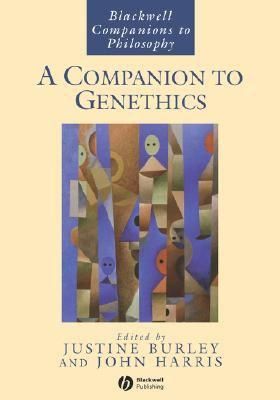
A Companion to Genethics is the first substantial study of the multifaceted dimensions of the genetic revolution and its philosophical, ethical, social and political significance.Brings together the best and most influential writing about the ethics of genetics; Includes 33 newly-commissioned essays, all written by prominent figures in the field; Shows how there is scarcely a part of our lives left unaffected by the impact of the new genetics.
ما از اخلاق چه انتظاری داریم؟ این سوال شاید تاحدودی برای عموم مردم و یا متخصصان این رشته قابل پاسخ باشد؛ اینکه خوب بودن را به ما بیاموزد و در تنظیم روابط فردی م...

جشن کتاب تهران به ایستگاه سی و یکم رسیده است. حال و احوال نشر کتاب خوب نیست و باید فرهنگدوستان را به خرید و هدیه دادن کتاب ترغیب نمود. خانه اخلاقپژوهان جوان ب...

بنیاد کتابهای اخلاق اسلامی عمدتا پالایش جان از آلودگیها و آراستن آن به زیباییها است. اندیشه محوری این قبیل کتابها آن است که انسان فعلی آنی نیست که باید باشد...

-
0 Comments