Notice: تابع WP_Block_Type_Registry::register به طورنادرست فراخوانی شد. نامهای نوع بلوک نباید حروف بزرگ داشته باشند. لطفاً برای اطلاعات بیشتر، اشکال زدایی در وردپرس را مشاهده کنید. (این پیام در نگارش 5.0.0 افزوده شده است.) in /home/ethicsho/public_html/wp-includes/functions.php on line 5313
Warning: Use of undefined constant TDC_PATH_LEGACY - assumed 'TDC_PATH_LEGACY' (this will throw an Error in a future version of PHP) in /home/ethicsho/public_html/wp-content/plugins/td-composer/td-composer.php on line 109
Warning: Use of undefined constant TDSP_THEME_PATH - assumed 'TDSP_THEME_PATH' (this will throw an Error in a future version of PHP) in /home/ethicsho/public_html/wp-content/plugins/td-composer/td-composer.php on line 113 بایگانیهای 1291 - خانه اخلاق پژوهان جوان Notice: Trying to access array offset on value of type bool in /home/ethicsho/public_html/wp-content/plugins/wp-ulike/inc/general-functions.php on line 807
Over more than two millennia, the world’s leading religious traditions have provided the guidance in questions of when war can be justified, and of what methods and targets are permissible in war. Linking deep historical analysis to contemporary issues, this volume provides insight to the understanding of the role and influence of religion in the state politics. The book examines the norms of war in Hinduism, in Theravada Buddhism, in Japanese religion, in Judaism, in Roman Catholic Christianity, in Eastern Orthodox Christianity, in Protestant Christianity, in Shia Islam and in Sunni Islam, and discusses norms of war in cross-religious perspective.–Publisher’s description.
It’s been more than two decades since the first edition of this landmark book garnered public accolades for its sensitive yet honest and forthright approach to the many disquieting questions surrounding the emotional debate over animal rights. Is moral concern something owed by human beings only to human beings? Drawing upon his philosophical expertise, his extensive experience of working with animal issues all over the world, and his knowledge of biological science, Bernard E Rollin – now widely recognised as the father of veterinary ethics – develops a compelling analysis of animal rights as it is emerging in society.The result is a sound basis for rational discussion and social policy development in this area of rapidly growing concern. He believes that society must elevate the moral status of animals and protect their rights as determined by their natures. His public speaking and published works have contributed to passage of major federal legislation designed to increase the well-being of laboratory animals. This new Third Edition is greatly expanded and includes a new chapter on animal agriculture, plus additional discussions of animal law, companion animal issues, genetic engineering, animal pain, animal research, and many other topics.
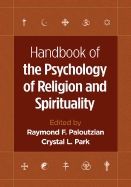
From foremost authorities in the field, this comprehensive volume synthesizes the breadth of current knowledge on the psychological processes underlying spirituality, religious behavior, and religious experience. Presented are cutting-edge theories, conceptual frameworks, methodologies, and empirical findings emerging from all psychological subdisciplines. Coverage includes the neural and cognitive bases of religiousness; social, personality, and developmental issues; religion as a meaning system; and implications for behavior, mental health, and clinical practice. Seamlessly edited, the Handbook provides a definitive portrait of the current state of the science, fosters the development of integrative theory, and identifies vital directions for future research.
ما از اخلاق چه انتظاری داریم؟ این سوال شاید تاحدودی برای عموم مردم و یا متخصصان این رشته قابل پاسخ باشد؛ اینکه خوب بودن را به ما بیاموزد و در تنظیم روابط فردی م...

جشن کتاب تهران به ایستگاه سی و یکم رسیده است. حال و احوال نشر کتاب خوب نیست و باید فرهنگدوستان را به خرید و هدیه دادن کتاب ترغیب نمود. خانه اخلاقپژوهان جوان ب...

بنیاد کتابهای اخلاق اسلامی عمدتا پالایش جان از آلودگیها و آراستن آن به زیباییها است. اندیشه محوری این قبیل کتابها آن است که انسان فعلی آنی نیست که باید باشد...

-
0 Comments