Notice: تابع WP_Block_Type_Registry::register به طورنادرست فراخوانی شد. نامهای نوع بلوک نباید حروف بزرگ داشته باشند. لطفاً برای اطلاعات بیشتر، اشکال زدایی در وردپرس را مشاهده کنید. (این پیام در نگارش 5.0.0 افزوده شده است.) in /home/ethicsho/public_html/wp-includes/functions.php on line 5313
Warning: Use of undefined constant TDC_PATH_LEGACY - assumed 'TDC_PATH_LEGACY' (this will throw an Error in a future version of PHP) in /home/ethicsho/public_html/wp-content/plugins/td-composer/td-composer.php on line 109
Warning: Use of undefined constant TDSP_THEME_PATH - assumed 'TDSP_THEME_PATH' (this will throw an Error in a future version of PHP) in /home/ethicsho/public_html/wp-content/plugins/td-composer/td-composer.php on line 113 بایگانیهای 1214 - خانه اخلاق پژوهان جوان Notice: Trying to access array offset on value of type bool in /home/ethicsho/public_html/wp-content/plugins/wp-ulike/inc/general-functions.php on line 807
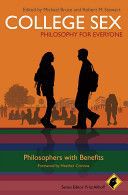
Written with insight and humor, College Sex – Philosophy for Everyone investigates a broad array of philosophical issues relating to student sex. Examines the ethical issues of dating, cheating, courtship, homosexual experimentation, and drug and alcohol use Considers student-teacher relationships, sexual experimentation, the meaning of sex in a college setting and includes two essays based on influential research projects on ‘friends with benefits’ Many of the authors teach classes that explore the philosophy of love and sex, and most are scholars from the Society of the Philosophy of Sex and Love
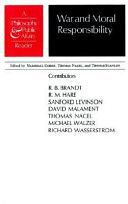
This remarkably rich collection of articles focuses on moral questions about war. The essays, originally published inPhilosophy & Public Affairs, cover a wide range of topics from several points of view by writers from the fields of political science, philosophy, and law. The discussion of war and moral responsibility falls into three general categories: problems of political and military choice, problems about the relation of an individual to the actions of his government, and more abstract ethical questions as well.The first category includes questions about the ethical and legal aspects of war crimes and the laws of war; about the source of moral restrictions on military methods or goals; and about differences in suitability of conduct which may depend on differences in the nature of the opponent. The second category includes questions about the conditions for responsibility of individual soldiers and civilian officials for war crimes, and about the proper attitude of a government toward potential conscripts who reject its military policies. The third category includes disputes between absolutist, deontological, and utilitarian ethical theories, and deals with questions about the existence of insoluble moral dilemmas
The central aim of this book is to analyze whether (or not) the global constitutes a fundamental challenge to the social-scientific study of politics, including the structure of disciplines and the division of labor between them.
Adam Smith (1723-90) is celebrated all over the world as the author ofThe Wealth of Nationsand the founder of modern economics. A few of his ideas–that of the “invisible hand” of the market and that “It is not from the benevolence of the butcher, the brewer, or the baker that we expect our dinner, but from their regard to their own interest” have become iconic. Yet Smith saw himself primarily as a philosopher rather than an economist and would never have predicted that the ideas for which he is now best known were his most important. This book shows the extent to whichThe Wealth of Nationsand Smith’s other great work,The Theory of Moral Sentiments,were part of a larger scheme to establish a grand “Science of Man,” one of the most ambitious projects of the European Enlightenment, which was to encompass law, history, and aesthetics as well as economics and ethics, and which was only half complete on Smith’s death in 1790. Nick Phillipson reconstructs Smith’s intellectual ancestry and shows what Smith took from, and what he gave to, in the rapidly changing intellectual and commercial cultures of Glasgow and Edinburgh as they entered the great years of the Scottish Enlightenment. Above all he explains how far Smith’s ideas developed in dialogue with those of his closest friend, the other titan of the age, David Hume.
ما از اخلاق چه انتظاری داریم؟ این سوال شاید تاحدودی برای عموم مردم و یا متخصصان این رشته قابل پاسخ باشد؛ اینکه خوب بودن را به ما بیاموزد و در تنظیم روابط فردی م...

جشن کتاب تهران به ایستگاه سی و یکم رسیده است. حال و احوال نشر کتاب خوب نیست و باید فرهنگدوستان را به خرید و هدیه دادن کتاب ترغیب نمود. خانه اخلاقپژوهان جوان ب...

بنیاد کتابهای اخلاق اسلامی عمدتا پالایش جان از آلودگیها و آراستن آن به زیباییها است. اندیشه محوری این قبیل کتابها آن است که انسان فعلی آنی نیست که باید باشد...

-
0 Comments