Notice: تابع WP_Block_Type_Registry::register به طورنادرست فراخوانی شد. نامهای نوع بلوک نباید حروف بزرگ داشته باشند. لطفاً برای اطلاعات بیشتر، اشکال زدایی در وردپرس را مشاهده کنید. (این پیام در نگارش 5.0.0 افزوده شده است.) in /home/ethicsho/public_html/wp-includes/functions.php on line 5313
Warning: Use of undefined constant TDC_PATH_LEGACY - assumed 'TDC_PATH_LEGACY' (this will throw an Error in a future version of PHP) in /home/ethicsho/public_html/wp-content/plugins/td-composer/td-composer.php on line 109
Warning: Use of undefined constant TDSP_THEME_PATH - assumed 'TDSP_THEME_PATH' (this will throw an Error in a future version of PHP) in /home/ethicsho/public_html/wp-content/plugins/td-composer/td-composer.php on line 113 بایگانیهای 363.4/6 - خانه اخلاق پژوهان جوان Notice: Trying to access array offset on value of type bool in /home/ethicsho/public_html/wp-content/plugins/wp-ulike/inc/general-functions.php on line 807
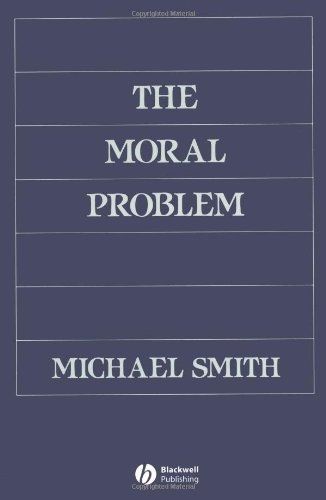
This widely anticipated volume offers a systematic introduction to and striking analysis of the central issues animating current debate in moral philosophy. It will be of interest to anyone with a serious interest in the philosophical foundations of ethics. Topics discussed include: realist vs. anti-realist accounts of moral truth, cognitivist vs expressivist accounts of moral judgement; internalist vs externalist accounts of the relation between moral judgment and the will; Humean vs anti-Humean theories of motivation; and the debate between those who think that morality is a system of hypothetical imperatives and those who think that moral requirements are categorical. In 2000, The Moral Problem received The American Philosophical Association’s first APA Book Prize for excellence in scholarship.
Contemporary Debates in Moral Theory features pairs of newly commissioned essays by some of the leading theorists working in the field today. Brings together fresh debates on the most controversial issues in moral theory Questions include: Are moral requirements derived from reason? How demanding is morality? Are virtues the proper starting point for moral theorizing? Lively debate format sharply defines the issues, and paves the way for further discussion. Will serve as an accessible introduction to the major topics in contemporary moral theory, while also capturing the imagination of professional philosophers.
Regenerative medicine is rich with promethean promises. The use of human embryonic stem cells in research is justified by its advocates in terms of promises to cure a wide range of diseases and disabilities, from Alzheimer’s and Parkinsonism to the results of heart attacks and spinal cord injuries. More broadly, there is the promethean allure of being able to redesign human biological nature in terms of the goals and concerns of humans. Needless to say, these allures and promises have provoked a wide range of not just moral but metaphysical reflections that reveal and reflect deep fault-lines in our cultures. The essays in this volume, directly and indirectly, present the points of controversy as they tease out the character of the moral issues that confront any attempt to develop the human regenerative technologies that might move us from a human to a post-human nature. Although one can appreciate the disputes as independently philosophical, they are surely also a function of the conflict between a Christian and a post-Christian culture, in that Christianity has from its beginning recognized a fundamental prohibition against the taking of early human life. Even the philosophical disputes that frame secular bioethics are often motivated and shaped by these background cultural conflicts. These essays display this circumstance in rich ways.
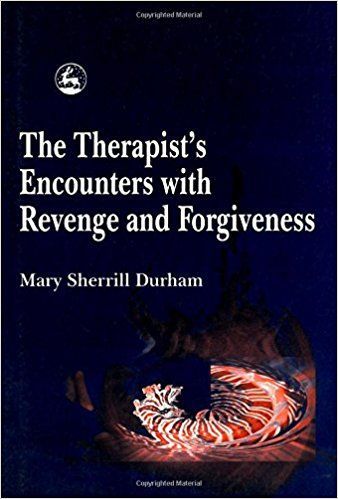
Explores concepts of vengeance, revenge fantasies, and the granting or withholding of forgiveness as they are manifested to the therapist during treatment. Argues that revenge is usually expressed in one of two ways, and categorizes patients into two archetypes: the Exploited- Repressive Individual and the Vindictive Character. Includes separate chapters on revenge and forgiveness as they are expressed by children and adolescents, and by offenders.
“Islam and Morality considers how Islam, the Qur’an, and other Islamic texts have approached the ethics of a variety of contemporary and historical issues. Oliver Leaman provides a varied, balanced, and thought-provoking account of how Islamic thinkers discussed medical ethics, wealth, poverty, the environment, and law. He explores the work of a range of Islamic thinkers, including Rumi, Ibn al-‘Arabi, al-Ghazali, Mutahhari and Barlas, while taking into consideration the different branches of Islam and Islamic theology and law. The book also considers how Islam understands the concept of free will, the relationship between good and evil, and far less abstract topics like what we should eat and drink. Aimed at upper level undergraduates, postgraduates, and researchers working in Islamic Studies and ethics, this is one of the first books to provide a sustained reading of the importance of ethics within Islam”–
ما از اخلاق چه انتظاری داریم؟ این سوال شاید تاحدودی برای عموم مردم و یا متخصصان این رشته قابل پاسخ باشد؛ اینکه خوب بودن را به ما بیاموزد و در تنظیم روابط فردی م...

جشن کتاب تهران به ایستگاه سی و یکم رسیده است. حال و احوال نشر کتاب خوب نیست و باید فرهنگدوستان را به خرید و هدیه دادن کتاب ترغیب نمود. خانه اخلاقپژوهان جوان ب...

بنیاد کتابهای اخلاق اسلامی عمدتا پالایش جان از آلودگیها و آراستن آن به زیباییها است. اندیشه محوری این قبیل کتابها آن است که انسان فعلی آنی نیست که باید باشد...

-
0 Comments