Notice: تابع WP_Block_Type_Registry::register به طورنادرست فراخوانی شد. نامهای نوع بلوک نباید حروف بزرگ داشته باشند. لطفاً برای اطلاعات بیشتر، اشکال زدایی در وردپرس را مشاهده کنید. (این پیام در نگارش 5.0.0 افزوده شده است.) in /home/ethicsho/public_html/wp-includes/functions.php on line 5313
Warning: Use of undefined constant TDC_PATH_LEGACY - assumed 'TDC_PATH_LEGACY' (this will throw an Error in a future version of PHP) in /home/ethicsho/public_html/wp-content/plugins/td-composer/td-composer.php on line 109
Warning: Use of undefined constant TDSP_THEME_PATH - assumed 'TDSP_THEME_PATH' (this will throw an Error in a future version of PHP) in /home/ethicsho/public_html/wp-content/plugins/td-composer/td-composer.php on line 113 بایگانیهای 338.064 - خانه اخلاق پژوهان جوان Notice: Trying to access array offset on value of type bool in /home/ethicsho/public_html/wp-content/plugins/wp-ulike/inc/general-functions.php on line 807
Why should we be tolerant? What does it mean to “live and let live”? What ought to be tolerated and what not? Toleration: A Critical Introductionis a comprehensive and accessible philosophical introduction to toleration. The first part of the book clearly and coherently introduces and assesses the major theoretical accounts of toleration, examining toleration in light of challenges from skepticism, value pluralism and reasonableness. Catriona McKinnon also draws from those philosophers whose theories are central to toleration, from Locke and Mill to Rawls. In the second part of the book, McKinnon applies the theories of toleration to urgent contemporary problems such as female circumcision, the French headscarves affair, artistic freedom, pornography and censorship, and holocaust denial. Toleration: ACritical Introductionprovides a solid theoretical base to those who value toleration, whilst considering the challenges toleration faces in practice. It provides anideal starting point for those coming to the topic for the first time, and anyone interested in the challenges facing toleration today.
Alasdair MacIntyre argues that Freud’s conception of the unconscious is complicated by his tendency to use the term in two different ways. MacIntyre shows how Freud uses the term “unconscious” both as a straightforward description of psychological phenomena, and as an evaluative notion to explain the links between childhood events and adult behavior. This clarification helps to shed light on the many misunderstandings of psychoanalysis, and to separate out what is and what is not of lasting value in Freud’s account of the unconscious. This new edition includes a substantial new preface by the author, in which he discusses repression, determinism, transference, and “practical rationality,” and offers a rare comparison of Aristotle and Lacan on the concept of desire. MacIntyre takes the opportunity to reflect both on the reviews and criticisms of the first edition and also on his own philosophical stance.
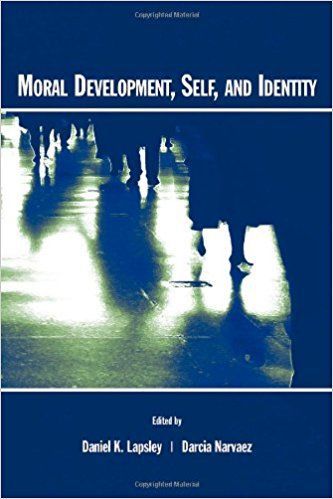
This volume examines the psychological, social-relational, and cultural foundations of the most basic moral commitments. It begins by looking at the seminal writings of Augusto Blasi, whose writings on moral cognition, the development of self-identity, and moral personality have transformed the research agenda in moral psychology. This work is now the starting point of all discussion about the relationship between self and morality; the developmental grounding of the moral personality; and the moral integration of cognition, emotion, and behavior. Indeed, it is now widely believed that organizing self-understanding around basic moral commitments is crucial to the formation of a moral identity which, in turn, underwrites moral conduct. Using Blasi’s work as a point of departure, a distinguished interdisciplinary and international group of scholars have contributed essays summarizing their own theoretical and empirical research on these topics. This book features new theories of moral functioning that range across several psychological literatures, including social cognition, cognitive science, and personality development. Examining the social-relational, communitarian, and cultural aspects of moral self-identity, it provides a comprehensive account of moral personality. Uniformly integrative, field-expanding, and on the cutting edge of research on moral development and personality, the book appeals to scholars, developmental theorists and graduate students interested in issues of moral development, education, and behavior, as well as cognitive development theory.
ما از اخلاق چه انتظاری داریم؟ این سوال شاید تاحدودی برای عموم مردم و یا متخصصان این رشته قابل پاسخ باشد؛ اینکه خوب بودن را به ما بیاموزد و در تنظیم روابط فردی م...

جشن کتاب تهران به ایستگاه سی و یکم رسیده است. حال و احوال نشر کتاب خوب نیست و باید فرهنگدوستان را به خرید و هدیه دادن کتاب ترغیب نمود. خانه اخلاقپژوهان جوان ب...

بنیاد کتابهای اخلاق اسلامی عمدتا پالایش جان از آلودگیها و آراستن آن به زیباییها است. اندیشه محوری این قبیل کتابها آن است که انسان فعلی آنی نیست که باید باشد...

-
0 Comments