Notice: تابع WP_Block_Type_Registry::register به طورنادرست فراخوانی شد. نامهای نوع بلوک نباید حروف بزرگ داشته باشند. لطفاً برای اطلاعات بیشتر، اشکال زدایی در وردپرس را مشاهده کنید. (این پیام در نگارش 5.0.0 افزوده شده است.) in /home/ethicsho/public_html/wp-includes/functions.php on line 5313
Warning: Use of undefined constant TDC_PATH_LEGACY - assumed 'TDC_PATH_LEGACY' (this will throw an Error in a future version of PHP) in /home/ethicsho/public_html/wp-content/plugins/td-composer/td-composer.php on line 109
Warning: Use of undefined constant TDSP_THEME_PATH - assumed 'TDSP_THEME_PATH' (this will throw an Error in a future version of PHP) in /home/ethicsho/public_html/wp-content/plugins/td-composer/td-composer.php on line 113 بایگانیهای 261.85 - خانه اخلاق پژوهان جوان Notice: Trying to access array offset on value of type bool in /home/ethicsho/public_html/wp-content/plugins/wp-ulike/inc/general-functions.php on line 807
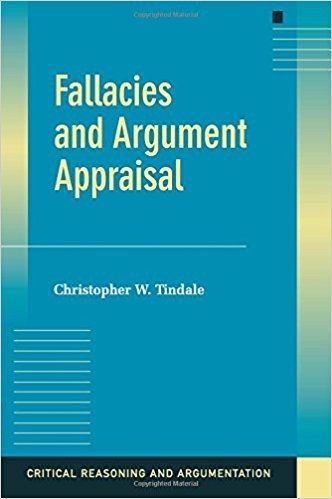
Fallacies and Argument Appraisal presents an introduction to the nature, identification, and causes of fallacious reasoning, along with key questions for evaluation. Drawing from the latest work on fallacies as well as some of the standard ideas that have remained relevant since Aristotle, Christopher Tindale investigates central cases of major fallacies in order to understand what has gone wrong and how this has occurred. Dispensing with the approach that simply assigns labels and brief descriptions of fallacies, Tindale provides fuller treatments that recognize the dialectical and rhetorical contexts in which fallacies arise. This volume analyzes major fallacies through accessible, everyday examples. Critical questions are developed for each fallacy to help the student identify them and provide considered evaluations.
In this exploration of new territory between ethics and epistemology, Miranda Fricker argues that there is a distinctively epistemic type of injustice, in which someone is wronged specifically in their capacity as a knower. Justice is one of the oldest and most central themes in philosophy, but in order to reveal the ethical dimension of our epistemic practices the focus must shift to injustice. Fricker adjusts the philosophical lens so that we see through to the negative space that is epistemic injustice. The book explores two different types of epistemic injustice, each driven by a form of prejudice, and from this exploration comes a positive account of two corrective ethical-intellectual virtues. The characterization of these phenomena casts light on many issues, such as social power, prejudice, virtue, and the genealogy of knowledge, and it proposes a virtue epistemological account of testimony. In this ground-breaking book, the entanglements of reason and social power are traced in a new way, to reveal the different forms of epistemic injustice and their place in the broad pattern of social injustice.
Distributed networks such as the Internet have altered the fundamental way a record is created, captured, accessed and managed over time. Law and ethics provide the major sources of regulatory controls over participants in such networks. This book analyses the interrelationship of recordkeeping, ethics and law in terms of existing regulatory models and their application to the Internet environment. It proposes an Internet model based on the notion of a legal and social relationship as a means of identifying the legal and ethical rights and obligations of recordkeeping participants in networked transactions. Medical, business and governmental relationships within communities of common interest based on trust illustrate the practical application of the model. As legal relationships have their basis in the law of obligations found in common and civil law systems, as well as archival science, the model has a broad-based application. The relationship model also provides a unique ethical and legal approach to property, access, privacy and evidence. Most importantly, the book provides an interdisciplinary approach to Internet regulation, which contributes to closer ties between those who research, teach and work in fields of ethics, law and archival science.
The pursuit of happiness is a defining theme of the modern era. But what if people aren’t very good at it? This and related questions are explored in this book, the first comprehensive philosophical treatment of happiness in the contemporary psychological sense. In these pages, Dan Haybron argues that people are probably less effective at judging, and promoting, their own welfare than common belief has it. For the psychological dimensions of well-being, particularly our emotional lives, are far richer and more complex than we tend to realize. Knowing one’s own interests is no trivial matter. As well, we tend to make a variety of systematic errors in the pursuit of happiness. We may need, then, to rethink traditional assumptions about human nature, the good life, and the good society. Thoroughly engaged with both philosophical and scientific work on happiness and well-being, this book will be a definitive resource for philosophers, social scientists, policymakers, and other students of human well-being.
ما از اخلاق چه انتظاری داریم؟ این سوال شاید تاحدودی برای عموم مردم و یا متخصصان این رشته قابل پاسخ باشد؛ اینکه خوب بودن را به ما بیاموزد و در تنظیم روابط فردی م...

جشن کتاب تهران به ایستگاه سی و یکم رسیده است. حال و احوال نشر کتاب خوب نیست و باید فرهنگدوستان را به خرید و هدیه دادن کتاب ترغیب نمود. خانه اخلاقپژوهان جوان ب...

بنیاد کتابهای اخلاق اسلامی عمدتا پالایش جان از آلودگیها و آراستن آن به زیباییها است. اندیشه محوری این قبیل کتابها آن است که انسان فعلی آنی نیست که باید باشد...

-
0 Comments