


Notice: تابع WP_Block_Type_Registry::register به طورنادرست فراخوانی شد. نامهای نوع بلوک نباید حروف بزرگ داشته باشند. لطفاً برای اطلاعات بیشتر، اشکال زدایی در وردپرس را مشاهده کنید. (این پیام در نگارش 5.0.0 افزوده شده است.) in /home/ethicsho/public_html/wp-includes/functions.php on line 5313
Warning: Use of undefined constant TDC_PATH_LEGACY - assumed 'TDC_PATH_LEGACY' (this will throw an Error in a future version of PHP) in /home/ethicsho/public_html/wp-content/plugins/td-composer/td-composer.php on line 109
Warning: Use of undefined constant TDSP_THEME_PATH - assumed 'TDSP_THEME_PATH' (this will throw an Error in a future version of PHP) in /home/ethicsho/public_html/wp-content/plugins/td-composer/td-composer.php on line 113 بایگانیهای 198.9 - خانه اخلاق پژوهان جوان Notice: Trying to access array offset on value of type bool in /home/ethicsho/public_html/wp-content/plugins/wp-ulike/inc/general-functions.php on line 807
Suicide has long posed problems for philosophy. Philosophers, such Albert Camus, have situated in the center of the debate about metaphysics and the meaning of life. Hegel understood death to be the raison d’etre of philosophical project. And scores of other since them have treated suicide as central to the West’s understanding of itself. InContemplating Suicide, Gavin Fairbairn takes a fresh and philosophical look at suicide. He examines the nomenclature of suicide, and how the language of suicide affects our understanding and denigration of “suicidal bodies.” Fairbairn offers cogent reasons for abandoning the mindless use of terms such asattempted suicideandparasuicide, and introduces a number of terms includingcosmic roulette, which he uses to describe a family of human acts in which people gamble with their lives. By elaborating a richer model of suicidal self harm than most philosophers and most practitioners of caring professionscurrently inhabit, Fairbairn has contributed to the development of understanding in this area. Among other things a richer model and vocabulary may reduce the likelihood that those who come into contact with suicidal self harm, will believe that familiarity with the physical facts of the matter – the actions of the suicider and the presence or absence of a corpse – is always sufficient to justify a definite conclusion about the nature of the self harming act.
In his groundbreaking book, Marc Hauser puts forth a revolutionary new theory: that humans have evolved a universal moral instinct, unconsciously propelling us to deliver judgments of right and wrong independent of gender, education, and religion. Combining his cutting-edge research with the latest findings in cognitive psychology, linguistics, neuroscience, evolutionary biology, economics, and anthropology, Hauser explores the startling implications of his provocative theory vis-à-vis contemporary bioethics, religion, the law, and our everyday lives.
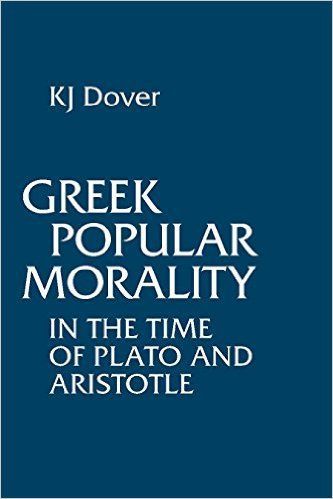
In ancient Greece, as today, popular moral attitudes differed importantly from the theories of moral philosophers. While for the latter we have Plato and Aristotle, this insightful work explores the everyday moral conceptions to which orators appealed in court and political assemblies, and which were reflected in non-philosophical literature. Oratory and comedy provide the primary testimony, and reference is also made to Sophocles, Euripides, Herodotus, Thucydides, Xenophon, and other sources. The selection of topics, the contrasts and comparisons with modern religious, social and legal principles, and accessibility to the non-specialist ensure the work’s appeal to all readers with an interest in ancient Greek culture and social life.
Offering the first general introductory text to this subject, the timely Introduction to Evolutionary Ethics reflects the most up-to-date research and current issues being debated in both psychology and philosophy. The book presents students to the areas of cognitive psychology, normative ethics, and metaethics. The first general introduction to evolutionary ethics Provides a comprehensive survey of work in three distinct areas of research: cognitive psychology, normative ethics, and metaethics Presents the most up-to-date research available in both psychology and philosophy Written in an engaging and accessible style for undergraduates and the interested general reader Discusses the evolution of morality, broadening its relevance to those studying psychology
ما از اخلاق چه انتظاری داریم؟ این سوال شاید تاحدودی برای عموم مردم و یا متخصصان این رشته قابل پاسخ باشد؛ اینکه خوب بودن را به ما بیاموزد و در تنظیم روابط فردی م...

جشن کتاب تهران به ایستگاه سی و یکم رسیده است. حال و احوال نشر کتاب خوب نیست و باید فرهنگدوستان را به خرید و هدیه دادن کتاب ترغیب نمود. خانه اخلاقپژوهان جوان ب...

بنیاد کتابهای اخلاق اسلامی عمدتا پالایش جان از آلودگیها و آراستن آن به زیباییها است. اندیشه محوری این قبیل کتابها آن است که انسان فعلی آنی نیست که باید باشد...

-
0 Comments