Notice: تابع WP_Block_Type_Registry::register به طورنادرست فراخوانی شد. نامهای نوع بلوک نباید حروف بزرگ داشته باشند. لطفاً برای اطلاعات بیشتر، اشکال زدایی در وردپرس را مشاهده کنید. (این پیام در نگارش 5.0.0 افزوده شده است.) in /home/ethicsho/public_html/wp-includes/functions.php on line 5313
Warning: Use of undefined constant TDC_PATH_LEGACY - assumed 'TDC_PATH_LEGACY' (this will throw an Error in a future version of PHP) in /home/ethicsho/public_html/wp-content/plugins/td-composer/td-composer.php on line 109
Warning: Use of undefined constant TDSP_THEME_PATH - assumed 'TDSP_THEME_PATH' (this will throw an Error in a future version of PHP) in /home/ethicsho/public_html/wp-content/plugins/td-composer/td-composer.php on line 113 بایگانیهای 186.4 - خانه اخلاق پژوهان جوان Notice: Trying to access array offset on value of type bool in /home/ethicsho/public_html/wp-content/plugins/wp-ulike/inc/general-functions.php on line 807
This systematic introduction to Buddhist ethics is aimed at anyone interested in Buddhism, including students, scholars and general readers. Peter Harvey is the author of the acclaimed Introduction to Buddhism (Cambridge, 1990), and his new book is written in a clear style, assuming no prior knowledge. At the same time it develops a careful, probing analysis of the nature and practical dynamics of Buddhist ethics in both its unifying themes and in the particularities of different Buddhist traditions. The book applies Buddhist ethics to a range of issues of contemporary concern: humanity’s relationship with the rest of nature; economics; war and peace; euthanasia; abortion; the status of women; and homosexuality. Professor Harvey draws on texts of the main Buddhist traditions, and on historical and contemporary accounts of the behaviour of Buddhists, to describe existing Buddhist ethics, to assess different views within it, and to extend its application into new areas.
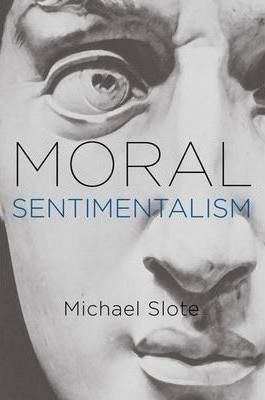
There has recently been a good deal of interest in moral sentimentalism, but most of that interest has been exclusively either in meta-ethical questions about the meaning of moral terms or in normative issues about benevolence and/or caring and their place in morality. In Moral Sentimentalism Michael Slote attempts to deal with both sorts of issues and to do so, primarily, in terms of the notion or phenomenon of empathy. Hume sought to do something like this over two centuries ago, though he didn’t have the term “empathy” and used “sympathy” instead. Slote therefore attempts to give moral sentimentalism a second wind. By relying so systematically on empathy in its account of normative morality and in what it has to say about the meaning of moral vocabulary, Slote offers a unified overall ethical picture that can then be tested against ethical rationalism. Rationalism has recently dominated the scene in ethics, but by showing how sentimentalism can make coherent and intuitive sense of such preferred rationalist notions as autonomy, respect, and justice-and by showing how a sentimentalism based in empathy can deal with ethically significant aspects of the moral life that rationalism tends to ignore or skimp on-Slote hopes a wider and more active debate between rationalism and sentimentalism can be set in motion. There are signs that sentimentalist modes of thought are gaining new footholds on the way ethics is done, and this new book is very hopeful about these possibilities.
ما از اخلاق چه انتظاری داریم؟ این سوال شاید تاحدودی برای عموم مردم و یا متخصصان این رشته قابل پاسخ باشد؛ اینکه خوب بودن را به ما بیاموزد و در تنظیم روابط فردی م...

جشن کتاب تهران به ایستگاه سی و یکم رسیده است. حال و احوال نشر کتاب خوب نیست و باید فرهنگدوستان را به خرید و هدیه دادن کتاب ترغیب نمود. خانه اخلاقپژوهان جوان ب...

بنیاد کتابهای اخلاق اسلامی عمدتا پالایش جان از آلودگیها و آراستن آن به زیباییها است. اندیشه محوری این قبیل کتابها آن است که انسان فعلی آنی نیست که باید باشد...

-
0 Comments