Notice: تابع WP_Block_Type_Registry::register به طورنادرست فراخوانی شد. نامهای نوع بلوک نباید حروف بزرگ داشته باشند. لطفاً برای اطلاعات بیشتر، اشکال زدایی در وردپرس را مشاهده کنید. (این پیام در نگارش 5.0.0 افزوده شده است.) in /home/ethicsho/public_html/wp-includes/functions.php on line 5313
Warning: Use of undefined constant TDC_PATH_LEGACY - assumed 'TDC_PATH_LEGACY' (this will throw an Error in a future version of PHP) in /home/ethicsho/public_html/wp-content/plugins/td-composer/td-composer.php on line 109
Warning: Use of undefined constant TDSP_THEME_PATH - assumed 'TDSP_THEME_PATH' (this will throw an Error in a future version of PHP) in /home/ethicsho/public_html/wp-content/plugins/td-composer/td-composer.php on line 113 بایگانیهای 141.50974461 - خانه اخلاق پژوهان جوان Notice: Trying to access array offset on value of type bool in /home/ethicsho/public_html/wp-content/plugins/wp-ulike/inc/general-functions.php on line 807
Inspired by Howard Gruber’s Evolving Systems Approach, these studies explore creativity in several domains. The idea that the creative person embodies a system of loosely coupled sub-systems – knowledge, purpose, and affect that work together, is viewed here in different chapters that explore this concept. These include autobiographies of incarcerated youth, curricula for moral and civic responsibility, changing attitudes of readers to text (romance novels), as well as case studies of highly creative individuals, such as George Bernard Shaw. Gruber’s approach provides concepts as well as methodological tools which the authors apply to diverse creative processes. This book is a valuable resource for undergraduate as well as graduate level students interested in creativity, development and education. In addition to the intrinsic interest of each chapter, the guiding theme of the book is the underlying theory of creativity, Gruber’s Evolving Systems Approach, and illustrates the unusual breadth and flexibility of that theory.
In these three Tanner lectures, distinguished ethical theorist Allan Gibbard explores the nature of normative thought and the bases of ethics. In the first lecture he explores the role of intuitions in moral thinking and offers a way of thinking about the intuitive method of moral inquiry that both places this activity within the natural world and makes sense of it as an indispensable part of our lives as planners. In the second and third lectures he takes up the kind of substantive ethical inquiry he has described in the first lecture, asking how we might live together on terms that none of us could reasonably reject. Since working at cross purposes loses fruits that might stem from cooperation, he argues, any consistent ethos that meets this test would be, in a crucial way, utilitarian. It would reconcile our individual aims to establish, in Kant’s phrase, a “kingdom of ends.” The volume also contains an introduction by Barry Stroud, the volume editor, critiques by Michael Bratman (Stanford University), John Broome (Oxford University), and F. M. Kamm (Harvard University), and Gibbard’s responses.
What makes people cosmopolitan? How is cosmopolitanism shaping everyday life experiences and the practices of ordinary people?Making use of empirical research, “Cosmopolitanism in Practice” examines the concrete settings in which individuals display cosmopolitan sensibilities and dispositions, illustrating the ways in which cosmopolitan self-transformations can be used as an analytical tool to explain a variety of identity outlooks and practices. The manner in which both past and present cosmopolitanisms compete with meta-narratives such as nationalism, multiculturalism and religion is also investigated, alongside the employment of cosmopolitan ideas in situations of tension and conflict.With an international team of contributors, including Ulrich Beck, Steven Vertovec, Rob Kroes and Natan Sznaider, this book draws on a variety of intellectual disciplines and international contexts to show how people embrace and make use of cosmopolitan ideas and attitudes.
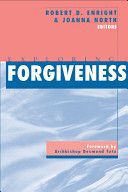
Pioneers in the study of forgiveness, Robert Enright and Joanna North have compiled a collection of twelve essays ranging from a first-person account of the mother of a murdered child to an assessment of the United States’ post-war reconciliations with Germany and Vietnam. This book explores forgiveness in interpersonal relationships, family relationships, the individual and society relationship, and international relations through the eyes of philosophers and educators as well as a psychologist, police chief-turned-minister, law professor, sociologist, psychiatrist, social worker, and theologian.
ما از اخلاق چه انتظاری داریم؟ این سوال شاید تاحدودی برای عموم مردم و یا متخصصان این رشته قابل پاسخ باشد؛ اینکه خوب بودن را به ما بیاموزد و در تنظیم روابط فردی م...

جشن کتاب تهران به ایستگاه سی و یکم رسیده است. حال و احوال نشر کتاب خوب نیست و باید فرهنگدوستان را به خرید و هدیه دادن کتاب ترغیب نمود. خانه اخلاقپژوهان جوان ب...

بنیاد کتابهای اخلاق اسلامی عمدتا پالایش جان از آلودگیها و آراستن آن به زیباییها است. اندیشه محوری این قبیل کتابها آن است که انسان فعلی آنی نیست که باید باشد...

-
0 Comments