Notice: تابع WP_Block_Type_Registry::register به طورنادرست فراخوانی شد. نامهای نوع بلوک نباید حروف بزرگ داشته باشند. لطفاً برای اطلاعات بیشتر، اشکال زدایی در وردپرس را مشاهده کنید. (این پیام در نگارش 5.0.0 افزوده شده است.) in /home/ethicsho/public_html/wp-includes/functions.php on line 5313
Warning: Use of undefined constant TDC_PATH_LEGACY - assumed 'TDC_PATH_LEGACY' (this will throw an Error in a future version of PHP) in /home/ethicsho/public_html/wp-content/plugins/td-composer/td-composer.php on line 109
Warning: Use of undefined constant TDSP_THEME_PATH - assumed 'TDSP_THEME_PATH' (this will throw an Error in a future version of PHP) in /home/ethicsho/public_html/wp-content/plugins/td-composer/td-composer.php on line 113 بایگانیهای Torkel Brekke - خانه اخلاق پژوهان جوان Notice: Trying to access array offset on value of type bool in /home/ethicsho/public_html/wp-content/plugins/wp-ulike/inc/general-functions.php on line 807
At last, a comprehensive collection of essays that examines and advances ethical evaluations of the controversial and increasingly popular practice of embryo adoption. In the United States alone, 400,000 frozen embryos created for in vitro fertilization exist but are no longer desired for that purpose. What are we morally obliged or permitted to do about these “spare” embryos? More of their genetic parents are considering donating these embryos to others to gestate and raise. This practice is politically volatile (figuring in debates about embryonic stem cells) and medically and morally complex. At the present time within the Roman Catholic Church there is no official teaching on embryo adoption. Catholic ethical analyses grapple with the way embryo adoption comports with respect for embryonic human life yet challenges Catholic moral critiques of assisted reproductive technologies. This volume is the first to bring together leading philosophers and theologians to engage Catholic debates about embryo adoption in an interactive format. The editors, a philosopher bioethicist and a moral theologian, provide a helpful overview of the practice and the arguments surrounding embryo adoption. They engage neglected Catholic ethical resources and issues to advance the current debate and chart new directions in Catholic moral thinking about this intriguing practice. The volume also includes a description of embryo adoption from a physician practitioner along with reflections from a couple who successfully adopted an embryo.
It is axiomatic that every valuation of a business or business interest must contain a definition or standard of value. Each standard of value contains numerous assumptions, and there can be significant variation in the application of a particular standard of value and its underlying assumptions. Standards of Value addresses many of the ambiguities inherent in applying common standards of value. Written by Jay Fishman, Shannon Pratt, and William Morrison–three renowned valuation practitioners who deal with these issues on a daily basis–this book discusses the interaction between valuation theory and its judicial and regulatory application. A must-read for appraisers, accountants, judges, attorneys, and appraisal users, this insightful book addresses standards of value as applied in four distinct contexts: estate and gift taxation; shareholder dissent and oppression; divorce; and financial reporting. Here, practitioners will discover some of the intricacies of performing services in these venues, and appraisers will find this book helpful in understanding why the practitioners are asking such questions. Providing expert direction on interpreting and applying standards of value, this guide includes: Valuations for estate and gift tax, shareholder dissent and oppression, and divorce matters presented within their respective judicial frameworksCase-by-case reasoning behind appraisal-related decisionsState-by-state analyses that provide a clearer idea of how a state’s established case law may give insight on the standard of valueA general overview of the concepts of value, cost, and priceFair market value in estate and gift tax valuationsFair value in dissenting and oppressed shareholder mattersThe premises and standards of value used when valuing a business in divorceCurrent and proposed standards for the reporting of assets and liabilities for corporations as established by the Financial Accounting Standards Board (FASB) of the AICPA
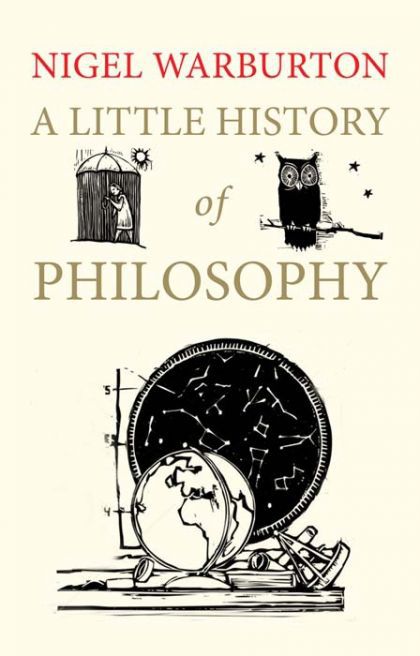
Philosophy begins with questions about the nature of reality and how we should live. These were the concerns of Socrates, who spent his days in the ancient Athenian marketplace asking awkward questions, disconcerting the people he met by showing them how little they genuinely understood. This engaging book introduces the great thinkers in Western philosophy and explores their most compelling ideas about the world and how best to live in it.In forty brief chapters, Nigel Warburton guides us on a chronological tour of the major ideas in the history of philosophy. He provides interesting and often quirky stories of the lives and deaths of thought-provoking philosophers from Socrates, who chose to die by hemlock poisoning rather than live on without the freedom to think for himself, to Peter Singer, who asks the disquieting philosophical and ethical questions that haunt our own times.Warburton not only makes philosophy accessible, he offers inspiration to think, argue, reason, and ask in the tradition of Socrates. A Little History of Philosophy presents the grand sweep of humanity’s search for philosophical understanding and invites all to join in the discussion.
Book Summary of Guilt And Its Vicissitudes: Psychoanalytic Reflections On MoralityHow do psychoanalysts explain human morality? Guilt and Its Vicissitudes: Psychoanalytic Reflections on Morality focuses on the way Melanie Klein and successive generations of her followers pursued and deepened Freud’s project of explaining man’s moral sense as a wholly natural phenomenon. With the introduction of the superego, Freud laid claim to the study of moral development as part of the psychoanalytic enterprise. At the same time he reconceptualized guilt: he thought of it not only as conscious, but as unconscious as well, and it was the unconscious sense of guilt that became a particular concern of the discipline he was founding. As Klein saw it, his work merely pointed the way. Judith M. Hughes argues that Klein and contemporary Kleinians went on to provide a more consistent and comprehensive psychological account of moral development. Hughes shows how Klein and her followers came to appreciate that moral and cognitive questions are complexly interwoven and makes clear how this complexity prompted them to extend the range of their theory. Hughes demonstrates both a detailed knowledge of the major figures in post-war British psychoanalysis, and a keen sensitivity to the way clinical experience informed theory-building. She writes with vigor and grace, not only about Freud and Klein, but also about such key thinkers as Riviere, Isaacs, Heimann, Segal, Bion and Joseph. Guilt and Its Vicissitudes speaks to those concerned with the clinical application of psychoanalytic theory and to those interested in the contribution psychoanalysis makes to understanding questions of human morality..
ما از اخلاق چه انتظاری داریم؟ این سوال شاید تاحدودی برای عموم مردم و یا متخصصان این رشته قابل پاسخ باشد؛ اینکه خوب بودن را به ما بیاموزد و در تنظیم روابط فردی م...

جشن کتاب تهران به ایستگاه سی و یکم رسیده است. حال و احوال نشر کتاب خوب نیست و باید فرهنگدوستان را به خرید و هدیه دادن کتاب ترغیب نمود. خانه اخلاقپژوهان جوان ب...

بنیاد کتابهای اخلاق اسلامی عمدتا پالایش جان از آلودگیها و آراستن آن به زیباییها است. اندیشه محوری این قبیل کتابها آن است که انسان فعلی آنی نیست که باید باشد...

-
0 Comments