Notice: تابع WP_Block_Type_Registry::register به طورنادرست فراخوانی شد. نامهای نوع بلوک نباید حروف بزرگ داشته باشند. لطفاً برای اطلاعات بیشتر، اشکال زدایی در وردپرس را مشاهده کنید. (این پیام در نگارش 5.0.0 افزوده شده است.) in /home/ethicsho/public_html/wp-includes/functions.php on line 5313
Warning: Use of undefined constant TDC_PATH_LEGACY - assumed 'TDC_PATH_LEGACY' (this will throw an Error in a future version of PHP) in /home/ethicsho/public_html/wp-content/plugins/td-composer/td-composer.php on line 109
Warning: Use of undefined constant TDSP_THEME_PATH - assumed 'TDSP_THEME_PATH' (this will throw an Error in a future version of PHP) in /home/ethicsho/public_html/wp-content/plugins/td-composer/td-composer.php on line 113 بایگانیهای Tenenbaum - خانه اخلاق پژوهان جوان Notice: Trying to access array offset on value of type bool in /home/ethicsho/public_html/wp-content/plugins/wp-ulike/inc/general-functions.php on line 807
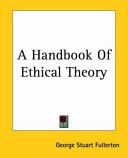
What constitutes the moral in human behavior, what marks out right or wrong conduct from conduct ethically indifferent, we have not yet considered. But no man is wholly without information in the field of morals, and we may here fall back upon such conceptions as men generally possess before they have evolved a science of morals. In the light of such conceptions a simple and comparatively undeveloped culture may compare very favorably with one much higher in the scale of civilization.
The adversary professions — law, business, and government among others — typically claim a moral permission to violate persons in ways that if not for the professional role, would be morally wrong. Lawyers advance bad ends and deceive, business managers exploit and despoil, public officials enforce unjust laws, and doctors keep confidences that, if disclosed, would prevent harm. Ethics for Adversaries is a philosophical inquiry into arguments that are offered to defend seemingly wrongful actions performed by those who occupy what Montaigne called “necessary offices”. Applbaum concludes that these arguments are weaker than supposed.
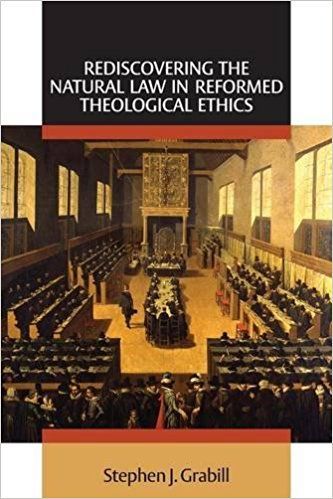
Is knowledge of right and wrong written on the human heart? Do people know God from the world around them? Does natural knowledge contribute to Christian doctrine? While these questions of natural theology and natural law have historically been part of theological reflection, twentieth-century Protestant theologians’ radical reliance on revelation has eclipsed this historic connection. Stephen Grabill attempts the treacherous task of reintegration of Reformed Protestant theology with natural law by appealing to reformation era theologians such as John Calvin, Peter Martyr Vermigli, Johannes Althusius, and Francis Turretin who carried over and refined the traditional understanding of this key doctrine. In Rediscovering the Natural Law in Reformed Theological Ethics Stephen Grabill calls Christian ethicists, theologians and laypersons to take another look at this vital element in the history of Christian ethical thought.
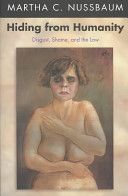
Should laws about sex and pornography be based on social conventions about what is disgusting? Should felons be required to display bumper stickers or wear T-shirts that announce their crimes? This powerful and elegantly written book, by one of America’s most influential philosophers, presents a critique of the role that shame and disgust play in our individual and social lives and, in particular, in the law. Martha Nussbaum argues that we should be wary of these emotions because they are associated in troubling ways with a desire to hide from our humanity, embodying an unrealistic and sometimes pathological wish to be invulnerable. Nussbaum argues that the thought-content of disgust embodies “magical ideas of contamination, and impossible aspirations to purity that are just not in line with human life as we know it.” She argues that disgust should never be the basis for criminalizing an act, or play either the aggravating or the mitigating role in criminal law it currently does. She writes that we should be similarly suspicious of what she calls “primitive shame,” a shame “at the very fact of human imperfection,” and she is harshly critical of the role that such shame plays in certain punishments. Drawing on an extraordinarily rich variety of philosophical, psychological, and historical references–from Aristotle and Freud to Nazi ideas about purity–and on legal examples as diverse as the trials of Oscar Wilde and the Martha Stewart insider trading case, this is a major work of legal and moral philosophy.
According to the author of “After Virtue, ” to flourish, humans need to develop virtues of independent thought and acknowledged social dependence. This book presents the moral philosopher’s comparison of humans to other animals and his exploration of the impact of these virtues.
ما از اخلاق چه انتظاری داریم؟ این سوال شاید تاحدودی برای عموم مردم و یا متخصصان این رشته قابل پاسخ باشد؛ اینکه خوب بودن را به ما بیاموزد و در تنظیم روابط فردی م...

جشن کتاب تهران به ایستگاه سی و یکم رسیده است. حال و احوال نشر کتاب خوب نیست و باید فرهنگدوستان را به خرید و هدیه دادن کتاب ترغیب نمود. خانه اخلاقپژوهان جوان ب...

بنیاد کتابهای اخلاق اسلامی عمدتا پالایش جان از آلودگیها و آراستن آن به زیباییها است. اندیشه محوری این قبیل کتابها آن است که انسان فعلی آنی نیست که باید باشد...

-
0 Comments