Notice: تابع WP_Block_Type_Registry::register به طورنادرست فراخوانی شد. نامهای نوع بلوک نباید حروف بزرگ داشته باشند. لطفاً برای اطلاعات بیشتر، اشکال زدایی در وردپرس را مشاهده کنید. (این پیام در نگارش 5.0.0 افزوده شده است.) in /home/ethicsho/public_html/wp-includes/functions.php on line 5313
Warning: Use of undefined constant TDC_PATH_LEGACY - assumed 'TDC_PATH_LEGACY' (this will throw an Error in a future version of PHP) in /home/ethicsho/public_html/wp-content/plugins/td-composer/td-composer.php on line 109
Warning: Use of undefined constant TDSP_THEME_PATH - assumed 'TDSP_THEME_PATH' (this will throw an Error in a future version of PHP) in /home/ethicsho/public_html/wp-content/plugins/td-composer/td-composer.php on line 113 بایگانیهای Sterling M. McMurrin - خانه اخلاق پژوهان جوان Notice: Trying to access array offset on value of type bool in /home/ethicsho/public_html/wp-content/plugins/wp-ulike/inc/general-functions.php on line 807
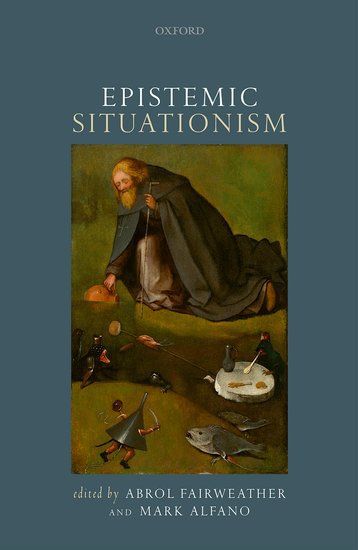
“This volume is the first sustained examination of epistemic situationism, the clash between virtue epistemology and the situationist hypothesis supported by research in empirical psychology. Current research in social psychology suggests that environmental variables have greater explanatory and predictive power than traits in explaining human behavior and this has raised serious challenges to ethical theories, such as virtue ethics, that rely on a psychology of personality traits. However, virtue epistemology appears to assume the same trait-based psychology as virtue ethics does, and the research challenging virtue theories in ethics is relevant to philosophical theorizing about knowledge as well. Until recently virtue epistemology and situationism were separate literatures, but philosophers have begun to examine the apparent incompatibility between situationist psychology and virtue epistemology. Much of the psychological research that raises questions about the empirical adequacy of the moral psychology of virtue ethics also appears to raise doubts about the empirical adequacy of the epistemic psychology assumed by virtue epistemology. Responsibilist virtue epistemology appears particularly vulnerable because epistemic virtues like open-mindedness, conscientiousness, and intellectual courage are traits of intellectual character, but reliabilist virtue epistemology appeals to the psychology of cognitive skill, abilities, and competences that may be similarly vulnerable. The essays in this volume take up this new problem of epistemic situationism from multiple points of view – some skeptical or revisionary, others conservative.”–
Medical ethics is an area that has particular interest for the general public as well as for the medical practitioner, and issues concerning medical ethics seem to be constantly in the headlines. This short and accessible introduction provides an invaluable tool with which to think about the ethical values that lie at the heart of medicine. Tony Hope deals with thorny moral issues, including euthanasia and the morality of killing. He also explores political questions, such as how we can make sure health care resources are distributed fairly. Each chapter in the book considers a different issue, for example, genetics, modern reproductive technologies, resource allocation, mental health, and medical research. Each section also discusses controversial questions such as: Who should have access to reproductive technology? Is it right to fund expensive drug treatment for individuals? Should treatment for mental illness be imposed on patients without their consent? Considering a wide range of questions of medical ethics, this Very Short Introduction will help to explain some of the confusing issues facing the field of medicine today.
Study ethics from a classic ethics text, written by one of contemporary philosophy’s most skilled teachers, Louis P. Pojman, now revised by best-selling author and editor of the INTERNET ENCYCLOPEDIA OF PHILOSOPHY, James Fieser. ETHICS: DISCOVERING RIGHT AND WRONG, Seventh Edition, offers a concise yet comprehensive overview of the fundamental objectives and outlooks of ethical theory. Written with Pojman’s hallmark engaging, conversational manner with strong supporting pedagogy, this book challenges students to develop their own moral theories and to reason through ethical problems for themselves. The text even-handedly raises critical questions and fosters independent thinking within a rigorous presentation that draws numerous examples from both classical and contemporary sources. This edition maintains the text’s clarity and strengths with its non-dogmatic style and generous presentation of various positions. This revision includes more feminist and multicultural ethical perspectives.
One of the most fruitful interdisciplinary boundaries in contemporary scholarship is that between philosophy and cognitive science. Now that solid empirical results about the activities of the human mind are available, it is no longer necessary for philosophers to practice armchair psychology.In this short, accessible, and entertaining book, Alvin Goldman presents a masterly survey of recent work in cognitive science that has particular relevance to philosophy. Besides providing a valuable review of the most suggestive work in cognitive and social psychology, Goldman demonstrates conclusively that the best work in philosophy in a surprising number of different fields—including philosophy of science, epistemology, metaphysics, and ethics as well as philosophy of mind—must take into account empirical breakthroughs in psychology.One of those rare texts that will also be useful for professionals, Philosophical Applications of Cognitive Science is appropriate for students in a wide range of philosophy courses. It will also interest researchers and students in psychology who are intrigued by the wider theoretical implications of their work.
ما از اخلاق چه انتظاری داریم؟ این سوال شاید تاحدودی برای عموم مردم و یا متخصصان این رشته قابل پاسخ باشد؛ اینکه خوب بودن را به ما بیاموزد و در تنظیم روابط فردی م...

جشن کتاب تهران به ایستگاه سی و یکم رسیده است. حال و احوال نشر کتاب خوب نیست و باید فرهنگدوستان را به خرید و هدیه دادن کتاب ترغیب نمود. خانه اخلاقپژوهان جوان ب...

بنیاد کتابهای اخلاق اسلامی عمدتا پالایش جان از آلودگیها و آراستن آن به زیباییها است. اندیشه محوری این قبیل کتابها آن است که انسان فعلی آنی نیست که باید باشد...

-
0 Comments