Notice: تابع WP_Block_Type_Registry::register به طورنادرست فراخوانی شد. نامهای نوع بلوک نباید حروف بزرگ داشته باشند. لطفاً برای اطلاعات بیشتر، اشکال زدایی در وردپرس را مشاهده کنید. (این پیام در نگارش 5.0.0 افزوده شده است.) in /home/ethicsho/public_html/wp-includes/functions.php on line 5313
Warning: Use of undefined constant TDC_PATH_LEGACY - assumed 'TDC_PATH_LEGACY' (this will throw an Error in a future version of PHP) in /home/ethicsho/public_html/wp-content/plugins/td-composer/td-composer.php on line 109
Warning: Use of undefined constant TDSP_THEME_PATH - assumed 'TDSP_THEME_PATH' (this will throw an Error in a future version of PHP) in /home/ethicsho/public_html/wp-content/plugins/td-composer/td-composer.php on line 113 بایگانیهای Rw Grant - خانه اخلاق پژوهان جوان Notice: Trying to access array offset on value of type bool in /home/ethicsho/public_html/wp-content/plugins/wp-ulike/inc/general-functions.php on line 807
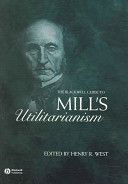
The Blackwell Guide to Mill’s Utilitarianism volume is an ideal commentary for students on Mill’s classic essay. Contains the complete text of Utilitarianism and twelve related essays. Essays cover the background to Mill’s classic essay, analyses of the arguments, and contemporary debates within the utilitarian tradition. Also includes a case study demonstrating the application of utilitarian theory to military or non-violent responses to terrorism. Each contribution is an original essay written by a specialist at the cutting edge of philosophical scholarship.
Tradition, Rationality, and Virtue provides the first comprehensive and detailed treatment of the work of Alasdair MacIntyre. In this book Thomas D’Andrea presents an accessible critical study of the full range of MacIntyre’s thought across ethical theory, psychoanalytic theory, social and political philosophy, Marxist theory, and the philosophy of religion. Moving from the roots of MacIntyre’s thought in ethical inquiry, this book examines MacIntyre’s treatment of Marx, Christianity, and the nature of human action and discusses in depth the development and applications of MacIntyre’s After Virtue project. The book culminates in an examination of major internal and external criticisms of MacIntyre’s work and a consideration of its future directions.
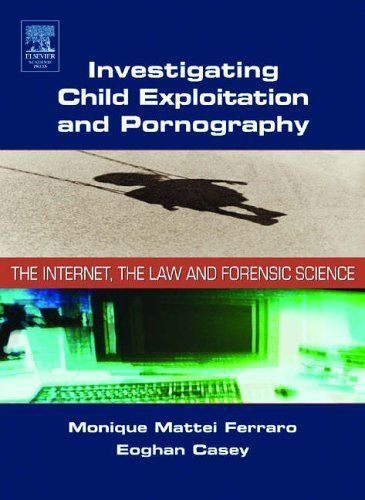
Crime scenes associated with child sexual exploitation and trafficking in child pornography were once limited to physical locations such as school playgrounds, church vestibules, trusted neighbors’ homes, camping trips and seedy darkly lit back rooms of adult bookstores. The explosion of Internet use has created a virtual hunting ground for sexual predators and has fueled a brisk, multi-billion dollar trade in the associated illicit material. Approximately half of the caseload in computer crimes units involves the computer assisted sexual exploitation of children. Despite the scale of this problem, or perhaps because of it, there are no published resources that bring together the complex mingling of disciplines and expertise required to put together a computer assisted child exploitation case. This work fills this void, providing police, prosecutors and forensic examiners with the historical, legal, technical, and social background for the laws prohibiting child exploitation, in particular, child pornography. The book will become an indispensable resource for those involved in the investigation, prosecution and study of computer-assisted child sexual exploitation. The book provides a history of child exploitation cases and studies, outlining the roles of technology in this type of crime and the evidence they can contain, and documenting new research performed by the authors. It details how successful undercover Internet operations are conducted, how the associated evidence is collected, and how to use the evidence to locate and apprehend the offender. The heart of this work is a legal section, detailing all of the legal issues that arise in Internet child exploitation cases. A forensic examination section presents evidentiary issues from a technical perspective and describes how to conduct a forensic examination of digital evidence gathered in the investigative and probative stages of a child exploitation case.Citations to related documents are provided for readers who want to learn more about certain issues. Actual case examples from computer assisted child exploitation cases are explored, at all times protecting the privacy of the victims while providing enough detail to educate the reader.In addition to providing guidance on the technical and legal aspects of child exploitation investigations, this work identifies and analyzes trends in this type of crime and helps readers understand the similarities and differences between child predators who take to the Internet and predators who do not. Data from the thirty Internet Crimes Against Children (ICAC) Task Forces are compiled and reported to provide a deeper understanding of the types of cases, types of offenders and the level of danger they pose to themselves, their victims, and investigating officers. Also, sex offender data from the Offices of Attorneys General in the United States and similar offices in foreign countries are gathered to increase the study sample size, establish controls, and expand the scope of the research to outside of the United States.- The first comprehensive title in this subject area- It will use real cases and examples of criminal behavior and the means to detect it. – Provides guidelines for developing a Field Manual and a Checklist to supplement the investigation and legal process- Establishes a reliable system and legal, procedural-backed protocol by which to conduct an online sexual investigation and collect evidence
The Emotive Theory was theory ahead of its time, and a theory which was, perhaps understandably, misinterpreted, misrepresented, and ridiculed by its critics from the outset. In Emotion, Truth and Meaning, Dr Wilks not only acquaints the reader with what the original emotivists actually claimed (and clarifies what they actually meant when they made some of the more controversial claims), he enriches their claims by psychologically expanding them. Like its predecessor, Dr Wilks’s enriched emotive theory distinguishes between moral conflicts which are rationally resolvable and moral conflicts which are not, but, unlike its predecessor, it traces the irresolvability of the latter to the psychological fact that they are merely symptomatic of more fundamental conflict at the level of world view – the level where questions about the meaning of life are answered, and where the truth of the answers arrived at is emotionally-felt rather than empirically-sensed.
ما از اخلاق چه انتظاری داریم؟ این سوال شاید تاحدودی برای عموم مردم و یا متخصصان این رشته قابل پاسخ باشد؛ اینکه خوب بودن را به ما بیاموزد و در تنظیم روابط فردی م...

جشن کتاب تهران به ایستگاه سی و یکم رسیده است. حال و احوال نشر کتاب خوب نیست و باید فرهنگدوستان را به خرید و هدیه دادن کتاب ترغیب نمود. خانه اخلاقپژوهان جوان ب...

بنیاد کتابهای اخلاق اسلامی عمدتا پالایش جان از آلودگیها و آراستن آن به زیباییها است. اندیشه محوری این قبیل کتابها آن است که انسان فعلی آنی نیست که باید باشد...

-
0 Comments