Notice: تابع WP_Block_Type_Registry::register به طورنادرست فراخوانی شد. نامهای نوع بلوک نباید حروف بزرگ داشته باشند. لطفاً برای اطلاعات بیشتر، اشکال زدایی در وردپرس را مشاهده کنید. (این پیام در نگارش 5.0.0 افزوده شده است.) in /home/ethicsho/public_html/wp-includes/functions.php on line 5313
Warning: Use of undefined constant TDC_PATH_LEGACY - assumed 'TDC_PATH_LEGACY' (this will throw an Error in a future version of PHP) in /home/ethicsho/public_html/wp-content/plugins/td-composer/td-composer.php on line 109
Warning: Use of undefined constant TDSP_THEME_PATH - assumed 'TDSP_THEME_PATH' (this will throw an Error in a future version of PHP) in /home/ethicsho/public_html/wp-content/plugins/td-composer/td-composer.php on line 113 بایگانیهای Markus Christen - خانه اخلاق پژوهان جوان Notice: Trying to access array offset on value of type bool in /home/ethicsho/public_html/wp-content/plugins/wp-ulike/inc/general-functions.php on line 807
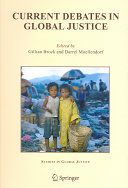
Issues of global justice dominate our contemporary world. Incre- ingly, philosophers are turning their attention to thinking about particular issues of global justice and the accounts that would best facilitate theorizing about these. This volume of papers on global justice derives from a mini-conference held in conjunction with the Paci?c Division meeting of the American Philosophical Association in Pasadena, California, in 2004. The idea of holding a mini-c- ference on global justice was inspired by the growth of interest in such questions, and it was hoped that organizing the mini-conference 1 would stimulate further good writing in this area. We believe that our mission has been accomplished! We received a number of thoughtful papers on both theoretical and more applied issues, showing excellent coverage of a range of topics in the domain of global justice. A selection of some of the very best papers is published in this special issue of The Journal of Ethics. In particular, we tried to include papers that would re?ect some of the range of topics that were covered at the conference, to give readers a sense of both the scope of the ?eld as it is currently emerging and the direction that the debates seem to be taking. As a result of increased attention to theorizing about global j- tice, cosmopolitanism has enjoyed a resurgence of interest as well.
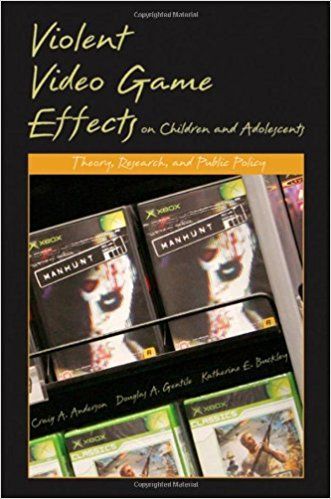
Violent video games are successfully marketed to and easily obtained by children and adolescents. Even the U.S. government distributes one such game, America’s Army, through both the internet and its recruiting offices. Is there any scientific evidence to support the claims that violent games contribute to aggressive and violent behavior? Anderson, Gentile, and Buckley first present an overview of empirical research on the effects of violent video games, and then add to this literature three new studies that fill the most important gaps. They update the traditional General Aggression Model to focus on both developmental processes and how media-violence exposure can increase the likelihood of aggressive and violent behavior in both short- and long-term contexts. Violent Video Game Effects on Children and Adolescents also reviews the history of these games’ explosive growth, and explores the public policy options for controlling their distribution. Anderson et al. describe the reaction of the games industry to scientific findings that exposure to violent video games and other forms of media violence constitutes a significant risk factor for later aggressive and violent behavior. They argue that society should begin a more productive debate about whether to reduce the high rates of exposure to media violence, and delineate the public policy options that are likely be most effective. As the first book to unite empirical research on and public policy options for violent video games, Violent Video Game Effects on Children and Adolescents will be an invaluable resource for student and professional researchers in social and developmental psychology and media studies.
This is an EXACT reproduction of a book published before 1923. This IS NOT an OCR’d book with strange characters, introduced typographical errors, and jumbled words. This book may have occasional imperfections such as missing or blurred pages, poor pictures, errant marks, etc. that were either part of the original artifact, or were introduced by the scanning process. We believe this work is culturally important, and despite the imperfections, have elected to bring it back into print as part of our continuing commitment to the preservation of printed works worldwide. We appreciate your understanding of the imperfections in the preservation process, and hope you enjoy this valuable book.
Providing a thorough introduction to current philosophical views on morality,Normative Ethicsexamines an act’s rightness or wrongness in light of such factors as consequences, harm, and consent. Shelly Kagan offers a division between moral factors and theoretical foundations that reflects the actual working practices of contemporary moral philosophers.The first half of the book presents a systematic survey of the basic normative factors, focusing on controversial questions concerning the precise content of each factor, its scope and significance, and its relationship to other factors. The second half of the book then examines the competing theories about the foundations of normative ethics, theories that attempt to explain why the basic normative factors have the moral significance that they do.Intended for upper-level or graduate students of philosophy, this book should also appeal to the general reader looking for a clearly written overview of the basic principles of moral philosophy.
ما از اخلاق چه انتظاری داریم؟ این سوال شاید تاحدودی برای عموم مردم و یا متخصصان این رشته قابل پاسخ باشد؛ اینکه خوب بودن را به ما بیاموزد و در تنظیم روابط فردی م...

جشن کتاب تهران به ایستگاه سی و یکم رسیده است. حال و احوال نشر کتاب خوب نیست و باید فرهنگدوستان را به خرید و هدیه دادن کتاب ترغیب نمود. خانه اخلاقپژوهان جوان ب...

بنیاد کتابهای اخلاق اسلامی عمدتا پالایش جان از آلودگیها و آراستن آن به زیباییها است. اندیشه محوری این قبیل کتابها آن است که انسان فعلی آنی نیست که باید باشد...

-
0 Comments