Notice: تابع WP_Block_Type_Registry::register به طورنادرست فراخوانی شد. نامهای نوع بلوک نباید حروف بزرگ داشته باشند. لطفاً برای اطلاعات بیشتر، اشکال زدایی در وردپرس را مشاهده کنید. (این پیام در نگارش 5.0.0 افزوده شده است.) in /home/ethicsho/public_html/wp-includes/functions.php on line 5313
Warning: Use of undefined constant TDC_PATH_LEGACY - assumed 'TDC_PATH_LEGACY' (this will throw an Error in a future version of PHP) in /home/ethicsho/public_html/wp-content/plugins/td-composer/td-composer.php on line 109
Warning: Use of undefined constant TDSP_THEME_PATH - assumed 'TDSP_THEME_PATH' (this will throw an Error in a future version of PHP) in /home/ethicsho/public_html/wp-content/plugins/td-composer/td-composer.php on line 113 بایگانیهای Lee Alan Dugatkin - خانه اخلاق پژوهان جوان Notice: Trying to access array offset on value of type bool in /home/ethicsho/public_html/wp-content/plugins/wp-ulike/inc/general-functions.php on line 807
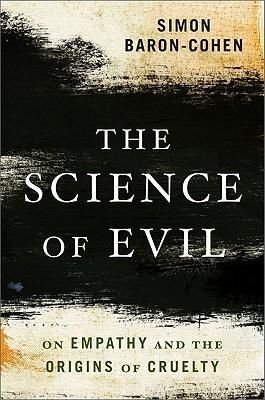
Borderline personality disorder, autism, narcissism, psychosis, Asperger’s: All of these syndromes have one thing in common–lack of empathy. In some cases, this absence can be dangerous, but in others it can simply mean a different way of seeing the world.In Cruel or Unusual Simon Baron-Cohen, an award-winning British researcher who has investigated psychology and autism for decades, develops a new brain-based theory of human cruelty. A true psychologist, however, he examines social and environmental factors that can erode empathy, including neglect and abuse. Based largely on Baron-Cohen’s own research, Cruel or Unusual will change the way we understand and treat human cruelty.
Film & Ethics considers a range of films and texts of film criticism alongside disparate philosophical discourses of ethics by Levinas, Derrida, Foucault, Lacanian psychoanalysts and postmodern theorists. While an ethics of looking is implicitly posited in most strands of cinema theory, there is no established body of work that might be called ethical film criticism. This book, therefore, redresses the reluctance of many existing works to address cinema from an explicitly ethical perspective. Readings range across popular Hollywood films such as Thelma and Louise, Alfred Hitchcock’s canonical corpus, and films from European and World cinemas, including Dreyer’s The Passion of Joan of Arc and the little-known African film Bamako. The book engages with debates concerning censorship and pornography; the ethical implications of ‘positive representation’; the ethics of making and viewing images of atrocity and suffering; and the relationship between ethics and aesthetics. Lisa Downing and Libby Saxton re-invigorate debates in film studies by foregrounding the ethical dimensions of the moving image, and create dialogues between ostensibly incompatible philosophical and political trends of thought, without seeking to reconcile their differences.
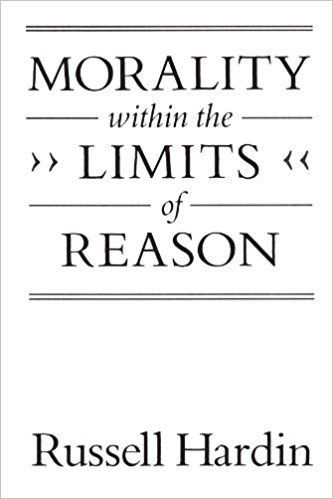
This provocative, lucidly written reconstruction of utilitarianism focuses on the practical constraints involved in ethical choice: information may be inadequate, and understanding of causes and effects may be limited. Good decision making may be especially constrained if other people are closely involved in determining an outcome. Hardin demonstrates that many of these structural issues can and should be distinguished from the thornier problems of utilitarian value theory, and he is able to show what kinds of moral conclusions we can reach within the limits of reason.
ما از اخلاق چه انتظاری داریم؟ این سوال شاید تاحدودی برای عموم مردم و یا متخصصان این رشته قابل پاسخ باشد؛ اینکه خوب بودن را به ما بیاموزد و در تنظیم روابط فردی م...

جشن کتاب تهران به ایستگاه سی و یکم رسیده است. حال و احوال نشر کتاب خوب نیست و باید فرهنگدوستان را به خرید و هدیه دادن کتاب ترغیب نمود. خانه اخلاقپژوهان جوان ب...

بنیاد کتابهای اخلاق اسلامی عمدتا پالایش جان از آلودگیها و آراستن آن به زیباییها است. اندیشه محوری این قبیل کتابها آن است که انسان فعلی آنی نیست که باید باشد...

-
0 Comments