Notice: تابع WP_Block_Type_Registry::register به طورنادرست فراخوانی شد. نامهای نوع بلوک نباید حروف بزرگ داشته باشند. لطفاً برای اطلاعات بیشتر، اشکال زدایی در وردپرس را مشاهده کنید. (این پیام در نگارش 5.0.0 افزوده شده است.) in /home/ethicsho/public_html/wp-includes/functions.php on line 5313
Warning: Use of undefined constant TDC_PATH_LEGACY - assumed 'TDC_PATH_LEGACY' (this will throw an Error in a future version of PHP) in /home/ethicsho/public_html/wp-content/plugins/td-composer/td-composer.php on line 109
Warning: Use of undefined constant TDSP_THEME_PATH - assumed 'TDSP_THEME_PATH' (this will throw an Error in a future version of PHP) in /home/ethicsho/public_html/wp-content/plugins/td-composer/td-composer.php on line 113 بایگانیهای Janice Richardson - خانه اخلاق پژوهان جوان Notice: Trying to access array offset on value of type bool in /home/ethicsho/public_html/wp-content/plugins/wp-ulike/inc/general-functions.php on line 807
This is an outstanding survey of the whole field of ethics by a distinguished international team of contributors. The book opens with a comprehensive historical overview of ethics, including entries on Plato, Aristotle, Hume, and Kant.
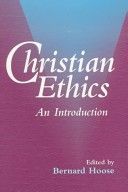
Currently, there is an upsurge of interest in the study of Christian ethics but much of what is written can appear confusing or beyond reach. In Christian Ethics, the first one-volume reference to include all the main themes in fundamental and applied moral theology, Bernard Hoose puts in understandable terms the state of moral theology today. At a time when many people fear that society has lost its way morally, he helps Christians make sense of the major issues that confront us all. Written by well-known ethicists in the English-speaking world, Christian Ethics is a comprehensive work of reference for students of moral theology. Scholars will value the excellent collection of essays and the range of scholarship they represent. The educated lay reader will also benefit from its highly readable text. Part one of the book deals with the fundamental themes in moral theology, including the role of the Bible, natural law, conscience, virtue, and the feminist contribution to Christian ethics. Part two is devoted to specific areas of applied or special ethics, under the headings of social ethics, interpersonal and sexual ethics, and medical ethics. Chapters in “Part 1: Basic Christian Ethics” are “The Bible and Christian Ethics,” by Tom Deidun; “Natural Law,” by Gerard J. Hughes; “Authority and Moral Teaching in a Catholic Christian Context,” by Joseph Selling; “Absolute Moral Norms,” by Charles E. Curran; “Virtue Ethics,” by James F. Keenan; “The Human Person,” by Joseph Selling; “Conscience,” by Richard M. Gula; “The Theory of the Fundamental Option and Moral Action,” by Thomas R. Kopfensteiner; “Feminist Ethics,” by Susan F. Parsons,” and “The Distinctiveness of Christian Morality,” by Vincent MacNamara. Chapters in “Part 2: Applied Ethics” are “Justice,” by Karen Lebacqz; “Property,” by Timothy J. Gorringe; “Morality and Law,” by Patrick Hannon; “The Punishment of Criminals,” by Bernard Hoose; “Peace, Violence and War,” by Richard G. Jones; “Sex, Sexuality, and Relationships,” by Gareth Moore; “Divorce and Remarriage,” by Kevin T. Kelly; “Truth and Lies,” by Bernard Hoose; “Euthanasia,” by Richard M. Gula; “Ethical Problems Arising from New Reproductive Techniques,” by Joyce Poole; “Organ Transplantation,” by David F. Kelly; and “Hypnosis and General Anaesthesia,” by Aureliano Pacciolla.
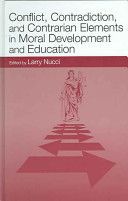
Publisher description: The premise of this book is that individuals and societies have an inexorable urge to morally develop by challenging the assumptions of the previous generation in terms of what is right and wrong. The focus is on the nature and functional value of conflicts and challenges to the dominant moral and social values framework. Through this analysis, individuals develop moral character through conflict with their local authority figures, including parents. The moral structure of societies evolves through intergenerational challenges to and contradictions with the dominant social order. The book is divided into three parts to help frame this discussion. Part I directly takes up the issue of resistance as it occurs at a cultural level, andthe implications of such resistance for moral education and socialization. Part II explores the normative forms of adolescent resistance and contrarian behavior that vex parents and teachers alike. Part III brings back the issue of societal structure andculture to illustrate how negative features of society–such as racial discrimination and economic disparity–can feed into the construction of negative moral identity in youth posing challenges to moral education.
ما از اخلاق چه انتظاری داریم؟ این سوال شاید تاحدودی برای عموم مردم و یا متخصصان این رشته قابل پاسخ باشد؛ اینکه خوب بودن را به ما بیاموزد و در تنظیم روابط فردی م...

جشن کتاب تهران به ایستگاه سی و یکم رسیده است. حال و احوال نشر کتاب خوب نیست و باید فرهنگدوستان را به خرید و هدیه دادن کتاب ترغیب نمود. خانه اخلاقپژوهان جوان ب...

بنیاد کتابهای اخلاق اسلامی عمدتا پالایش جان از آلودگیها و آراستن آن به زیباییها است. اندیشه محوری این قبیل کتابها آن است که انسان فعلی آنی نیست که باید باشد...

-
0 Comments