Notice: تابع WP_Block_Type_Registry::register به طورنادرست فراخوانی شد. نامهای نوع بلوک نباید حروف بزرگ داشته باشند. لطفاً برای اطلاعات بیشتر، اشکال زدایی در وردپرس را مشاهده کنید. (این پیام در نگارش 5.0.0 افزوده شده است.) in /home/ethicsho/public_html/wp-includes/functions.php on line 5313
Warning: Use of undefined constant TDC_PATH_LEGACY - assumed 'TDC_PATH_LEGACY' (this will throw an Error in a future version of PHP) in /home/ethicsho/public_html/wp-content/plugins/td-composer/td-composer.php on line 109
Warning: Use of undefined constant TDSP_THEME_PATH - assumed 'TDSP_THEME_PATH' (this will throw an Error in a future version of PHP) in /home/ethicsho/public_html/wp-content/plugins/td-composer/td-composer.php on line 113 بایگانیهای Harry J. Gensler - خانه اخلاق پژوهان جوان Notice: Trying to access array offset on value of type bool in /home/ethicsho/public_html/wp-content/plugins/wp-ulike/inc/general-functions.php on line 807
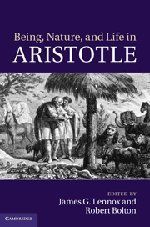
“This volume of essays explores major connected themes in Aristotle’s metaphysics, philosophy of nature, and ethics, especially themes related to essence, definition, teleology, activity, potentiality, and the highest good. The volume is united by the belief that all aspects of Aristotle’s work need to be studied together if any one of the areas of thought is to be fully understood. Many of the papers were contributions to a conference at the University of Pittsburgh entitled ‘Being, Nature, and Life in Aristotle’, to honor Professor Allan Gotthelf’s many contributions to the field of ancient philosophy; a few are contributions from those who were invited but could not attend. The contributors, all longstanding friends of Professor Gotthelf, are among the most accomplished scholars in the field of ancient philosophy today”–
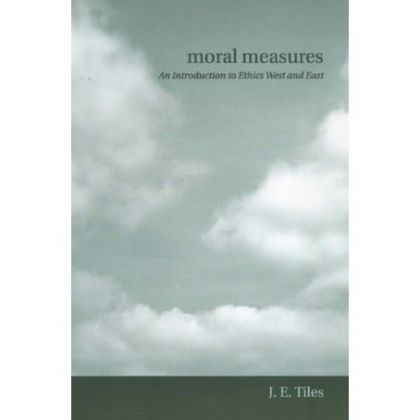
What basis do we have for condemning the Aztec custom of human sacrifice, the Chinese tradition of foot-binding, or the African practice of female genital mutilation? What can we learn from the moral traditions of other cultures? Addressing such questions,MoralMeasuresis a clear, fresh and accessible introduction to ethics which carefully illuminates the difficult issues surrounding cross-cultural ethics and moral thought. By examining Eastern and Western moral traditions, J. E. Tiles explores the basis for determining ethical measures of conduct across different cultures. Drawing on a rich array of ethical thinkers, including Aristotle, Kant and Confucius, Tiles argues that ethical problems are shared by apparently opposed moral traditions and that there is much to be learned by comparing them.
This ground-breaking volume considers the ethical aspects of foreign policy change through five interrelated dimensions: conceptual, security, economic, normative and diplomatic. Defining ethics and what an ethical foreign policy should be is highly contested. The book includes many very different viewpoints to reflect the strong divergence of opinion on such issues as humanitarian intervention, free trade, the doctrine of preemption, political corruption and human rights. The thematic approach provides this volume with a clear organizational structure, giving readers a balanced overview of a number of important conceptual and practical issues central to the ethical analysis of states’ conduct and foreign policy making. An impressive group of international scholars and practitioners, including a New Zealand Foreign Minister, a US National Security Advisor, and an ICJ Justice, makes this volume ideally suited to courses on international relations, security studies, ethics and human rights, philosophy, media studies and international law.
ما از اخلاق چه انتظاری داریم؟ این سوال شاید تاحدودی برای عموم مردم و یا متخصصان این رشته قابل پاسخ باشد؛ اینکه خوب بودن را به ما بیاموزد و در تنظیم روابط فردی م...

جشن کتاب تهران به ایستگاه سی و یکم رسیده است. حال و احوال نشر کتاب خوب نیست و باید فرهنگدوستان را به خرید و هدیه دادن کتاب ترغیب نمود. خانه اخلاقپژوهان جوان ب...

بنیاد کتابهای اخلاق اسلامی عمدتا پالایش جان از آلودگیها و آراستن آن به زیباییها است. اندیشه محوری این قبیل کتابها آن است که انسان فعلی آنی نیست که باید باشد...

-
0 Comments