Notice: تابع WP_Block_Type_Registry::register به طورنادرست فراخوانی شد. نامهای نوع بلوک نباید حروف بزرگ داشته باشند. لطفاً برای اطلاعات بیشتر، اشکال زدایی در وردپرس را مشاهده کنید. (این پیام در نگارش 5.0.0 افزوده شده است.) in /home/ethicsho/public_html/wp-includes/functions.php on line 5313
Warning: Use of undefined constant TDC_PATH_LEGACY - assumed 'TDC_PATH_LEGACY' (this will throw an Error in a future version of PHP) in /home/ethicsho/public_html/wp-content/plugins/td-composer/td-composer.php on line 109
Warning: Use of undefined constant TDSP_THEME_PATH - assumed 'TDSP_THEME_PATH' (this will throw an Error in a future version of PHP) in /home/ethicsho/public_html/wp-content/plugins/td-composer/td-composer.php on line 113 بایگانیهای Hans Herbert Kogler - خانه اخلاق پژوهان جوان Notice: Trying to access array offset on value of type bool in /home/ethicsho/public_html/wp-content/plugins/wp-ulike/inc/general-functions.php on line 807
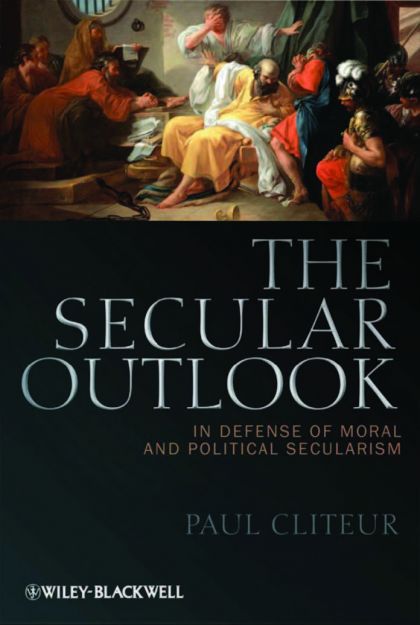
The Secular Outlook: In Defense of Moral and Political Secularism shows how people can live together and overcome the challenge of religious terrorism by adopting a “secular outlook” on life and politics. Shows how secularism can answer the problem of religious terrorism Provides new perspectives on how religious minorities can be integrated into liberal democracies Reveals how secularism has gained a new political and moral significance. Also examines such topics as atheism, religious criticism and free speech
Bernard Williams s remarkable essay on morality confronts the problems of writing moral philosophy, and offers a stimulating alternative to more systematic accounts which seem nevertheless to have left all the important issues somewhere off the page. Williams explains, analyses and distinguishes a number of key positions, from the purely amoral to notions of subjective or relative morality, testing their coherence before going on to explore the nature of goodness in relation to responsibilities and choice, roles, standards, and human nature. The final chapters make a fascinating enquiry into what morality is about, looking beyond happiness to other human aims and ideals. This re-issue of a classic in moral philosophy includes a new foreword by the author.
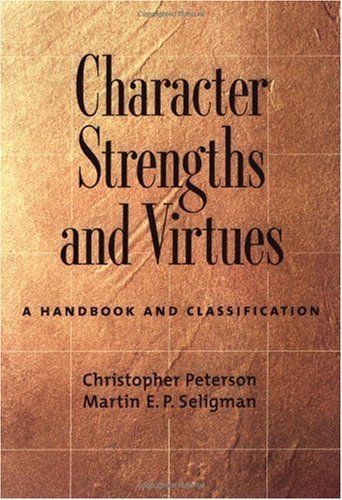
“Character” has become a front-and-center topic in contemporary discourse, but this term does not have a fixed meaning. Character may be simply defined by what someone does not do, but a more active and thorough definition is necessary, one that addresses certain vital questions. Is character a singular characteristic of an individual, or is it composed of different aspects? Does character–however we define it–exist in degrees, or is it simply something one happens to have? How can character be developed? Can it be learned? Relatedly, can it be taught, and who might be the most effective teacher? What roles are played by family, schools, the media, religion, and the larger culture? This groundbreaking handbook of character strengths and virtues is the first progress report from a prestigious group of researchers who have undertaken the systematic classification and measurement of widely valued positive traits. They approach good character in terms of separate strengths-authenticity, persistence, kindness, gratitude, hope, humor, and so on-each of which exists in degrees. Character Strengths and Virtues classifies twenty-four specific strengths under six broad virtues that consistently emerge across history and culture: wisdom, courage, humanity, justice, temperance, and transcendence. Each strength is thoroughly examined in its own chapter, with special attention to its meaning, explanation, measurement, causes, correlates, consequences, and development across the life span, as well as to strategies for its deliberate cultivation. This book demands the attention of anyone interested in psychology and what it can teach about the good life.
What shapes political behavior more: the situations in which individuals find themselves, or the internal psychological makeup-beliefs, values, and so on-of those individuals? This is perhaps the leading division within the psychological study of politics today. Political Psychology: Situations, Individuals, and Cases provides a concise, readable, and conceptually-organized introduction to the topic of political psychology by examining this very question.Using this situationism-dispositionism frameworkâwhich roughly parallels the concerns of social and cognitive psychologyâthis book focuses on such key explanatory mechanisms as behaviorism, obedience, personality, groupthink, cognition, affect, emotion, and neuroscience to explore topics ranging from voting behavior and racism to terrorism and international relations.Houghton’s clear and engaging examples directly challenge students to place themselves in both real and hypothetical situations which involve intense moral and political dilemmas. This highly readable text will provide students with the conceptual foundation they need to make sense of the rapidly changing and increasingly important field of political psychology.David Patrick Houghton is Associate Professor of Political Science at the University of Central Florida.
ما از اخلاق چه انتظاری داریم؟ این سوال شاید تاحدودی برای عموم مردم و یا متخصصان این رشته قابل پاسخ باشد؛ اینکه خوب بودن را به ما بیاموزد و در تنظیم روابط فردی م...

جشن کتاب تهران به ایستگاه سی و یکم رسیده است. حال و احوال نشر کتاب خوب نیست و باید فرهنگدوستان را به خرید و هدیه دادن کتاب ترغیب نمود. خانه اخلاقپژوهان جوان ب...

بنیاد کتابهای اخلاق اسلامی عمدتا پالایش جان از آلودگیها و آراستن آن به زیباییها است. اندیشه محوری این قبیل کتابها آن است که انسان فعلی آنی نیست که باید باشد...

-
0 Comments