Notice: تابع WP_Block_Type_Registry::register به طورنادرست فراخوانی شد. نامهای نوع بلوک نباید حروف بزرگ داشته باشند. لطفاً برای اطلاعات بیشتر، اشکال زدایی در وردپرس را مشاهده کنید. (این پیام در نگارش 5.0.0 افزوده شده است.) in /home/ethicsho/public_html/wp-includes/functions.php on line 5313
Warning: Use of undefined constant TDC_PATH_LEGACY - assumed 'TDC_PATH_LEGACY' (this will throw an Error in a future version of PHP) in /home/ethicsho/public_html/wp-content/plugins/td-composer/td-composer.php on line 109
Warning: Use of undefined constant TDSP_THEME_PATH - assumed 'TDSP_THEME_PATH' (this will throw an Error in a future version of PHP) in /home/ethicsho/public_html/wp-content/plugins/td-composer/td-composer.php on line 113 بایگانیهای Doug Lennick - خانه اخلاق پژوهان جوان Notice: Trying to access array offset on value of type bool in /home/ethicsho/public_html/wp-content/plugins/wp-ulike/inc/general-functions.php on line 807
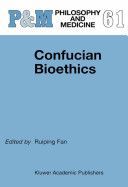
This volume explores Confucian views regarding the human body, health, virtue, suffering, suicide, euthanasia, `human drugs,’ human experimentation, and justice in health care distribution. These views are rooted in Confucian metaphysical, cosmological, and moral convictions, which stand in contrast to modern Western liberal perspectives in a number of important ways. In the contemporary world, a wide variety of different moral traditions flourish; there is real moral diversity. Given this circumstance, difficult and even painful ethical conflicts often occur between the East and the West with regard to the issues of life, birth, reproduction, and death. The essays in this volume analyze the ways in which Confucian bioethics can clarify important moral concepts, provide arguments, and offer ethical guidance. The volume should be of interest to both general readers coming afresh to the study of bioethics, ethics, and Confucianism, as well as for philosophers, ethicists, and other scholars already familiar with the subject.
Many words and expressions are viewed as ‘taboo’, such as those used to describe sex, our bodies and their functions, and those used to insult other people. This book provides a fascinating insight into taboo language and its role in everyday life. It looks at the ways we use language to be polite or impolite, politically correct or offensive, depending on whether we are ‘sweet-talking’, ‘straight-talking’ or being deliberately rude. Using a range of colourful examples, it shows how we use language playfully and figuratively in order to swear, to insult, and also to be politically correct, and what our motivations are for doing so. It goes on to examine the differences between institutionalized censorship and the ways individuals censor their own language. Lively and revealing, Forbidden Words will fascinate anyone who is interested in how and why we use and avoid taboos in daily conversation.
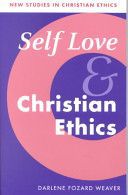
Self love is an inescapable problem for ethics, yet much of contemporary ethics is reluctant to offer any normative moral anthropologies. Instead, secular ethics and contemporary culture promote a norm of self-realization which is subjective and uncritical. Christian ethics also fails to address this problem directly, because it tends to investigate self love within the context of conflicts between the self’s interests and those of her neighbors. Self Love and Christian Ethics argues for right self love as the solution of proper self-relation that intersects with love for God and love for neighbor. Darlene Fozard Weaver explains that right self love entails a true self-understanding that is embodied in the person’s concrete acts and relations. In making this argument, she calls upon ethicists to revisit ontological accounts of the self and to devote more attention to particular moral acts.
ما از اخلاق چه انتظاری داریم؟ این سوال شاید تاحدودی برای عموم مردم و یا متخصصان این رشته قابل پاسخ باشد؛ اینکه خوب بودن را به ما بیاموزد و در تنظیم روابط فردی م...

جشن کتاب تهران به ایستگاه سی و یکم رسیده است. حال و احوال نشر کتاب خوب نیست و باید فرهنگدوستان را به خرید و هدیه دادن کتاب ترغیب نمود. خانه اخلاقپژوهان جوان ب...

بنیاد کتابهای اخلاق اسلامی عمدتا پالایش جان از آلودگیها و آراستن آن به زیباییها است. اندیشه محوری این قبیل کتابها آن است که انسان فعلی آنی نیست که باید باشد...

-
0 Comments