Notice: تابع WP_Block_Type_Registry::register به طورنادرست فراخوانی شد. نامهای نوع بلوک نباید حروف بزرگ داشته باشند. لطفاً برای اطلاعات بیشتر، اشکال زدایی در وردپرس را مشاهده کنید. (این پیام در نگارش 5.0.0 افزوده شده است.) in /home/ethicsho/public_html/wp-includes/functions.php on line 5313
Warning: Use of undefined constant TDC_PATH_LEGACY - assumed 'TDC_PATH_LEGACY' (this will throw an Error in a future version of PHP) in /home/ethicsho/public_html/wp-content/plugins/td-composer/td-composer.php on line 109
Warning: Use of undefined constant TDSP_THEME_PATH - assumed 'TDSP_THEME_PATH' (this will throw an Error in a future version of PHP) in /home/ethicsho/public_html/wp-content/plugins/td-composer/td-composer.php on line 113 بایگانیهای David Cooper - خانه اخلاق پژوهان جوان Notice: Trying to access array offset on value of type bool in /home/ethicsho/public_html/wp-content/plugins/wp-ulike/inc/general-functions.php on line 807
A companion volume to Nursing Ethics, the basic text on ethics for the nursing profession. This book takes a wider approach to ethics, looking at several different dimensions and discussing these themes in a manner suitable for either reflective practice or advanced study. Together, the pair form a comprehensive guide to ethics in nursing practice.
“In this book, David Konstan argues that the modern concept of interpersonal forgiveness, in the full sense of the term, did not exist in ancient Greece and Rome. Even more startlingly, it is not fully present in the Hebrew Bible, nor again in the New Testament, or in the early Jewish and Christian commentaries on the Holy Scriptures. It would still be centuries– many centuries– before the idea of interpersonal forgiveness, with its accompanying ideas of apology, remorse, and a change of heart on thepart of the wrongdoer, would emerge. For all its vast importance today in religion, law, politics, and psychotherapy, interpersonal forgiveness is creation of the 18th and 19th centuries, when the Christian concept of divine forgiveness was finally secularized. Forgiveness was God’s province, and it took a revolution in thought to bring it to earth and make it a human trait”–
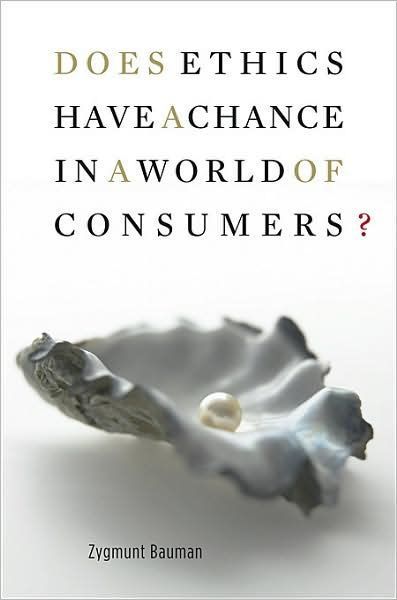
Zygmunt Bauman is one of the most admired social thinkers of our time. Once a Marxist sociologist, he has surrendered the narrowness of both Marxism and sociology, and dares to write in language that ordinary people can understand—about problems they feel ill equipped to solve. This book is no dry treatise but is instead what Bauman calls “a report from a battlefield,” part of the struggle to find new and adequate ways of thinking about the world in which we live. Rather than searching for solutions to what are perhaps the insoluble problems of the modern world, Bauman proposes that we reframe the way we think about these problems. In an era of routine travel, where most people circulate widely, the inherited beliefs that aid our thinking about the world have become an obstacle. Bauman seeks to liberate us from the thinking that renders us hopeless in the face of our own domineering governments and threats from unknown forces abroad. He shows us we can give up belief in a hierarchical arrangement of states and powers. He challenges members of the “knowledge class” to overcome their estrangement from the rest of society. Gracefully, provocatively, Bauman urges us to think in new ways about a newly flexible, newly challenging modern world. As Bauman notes, quoting Vaclav Havel, “hope is not a prognostication.” It is, rather, alongside courage and will, a mundane, common weapon that is too seldom used.
ما از اخلاق چه انتظاری داریم؟ این سوال شاید تاحدودی برای عموم مردم و یا متخصصان این رشته قابل پاسخ باشد؛ اینکه خوب بودن را به ما بیاموزد و در تنظیم روابط فردی م...

جشن کتاب تهران به ایستگاه سی و یکم رسیده است. حال و احوال نشر کتاب خوب نیست و باید فرهنگدوستان را به خرید و هدیه دادن کتاب ترغیب نمود. خانه اخلاقپژوهان جوان ب...

بنیاد کتابهای اخلاق اسلامی عمدتا پالایش جان از آلودگیها و آراستن آن به زیباییها است. اندیشه محوری این قبیل کتابها آن است که انسان فعلی آنی نیست که باید باشد...

-
0 Comments