Notice: تابع WP_Block_Type_Registry::register به طورنادرست فراخوانی شد. نامهای نوع بلوک نباید حروف بزرگ داشته باشند. لطفاً برای اطلاعات بیشتر، اشکال زدایی در وردپرس را مشاهده کنید. (این پیام در نگارش 5.0.0 افزوده شده است.) in /home/ethicsho/public_html/wp-includes/functions.php on line 5313
Warning: Use of undefined constant TDC_PATH_LEGACY - assumed 'TDC_PATH_LEGACY' (this will throw an Error in a future version of PHP) in /home/ethicsho/public_html/wp-content/plugins/td-composer/td-composer.php on line 109
Warning: Use of undefined constant TDSP_THEME_PATH - assumed 'TDSP_THEME_PATH' (this will throw an Error in a future version of PHP) in /home/ethicsho/public_html/wp-content/plugins/td-composer/td-composer.php on line 113 بایگانیهای David Chidester - خانه اخلاق پژوهان جوان Notice: Trying to access array offset on value of type bool in /home/ethicsho/public_html/wp-content/plugins/wp-ulike/inc/general-functions.php on line 807
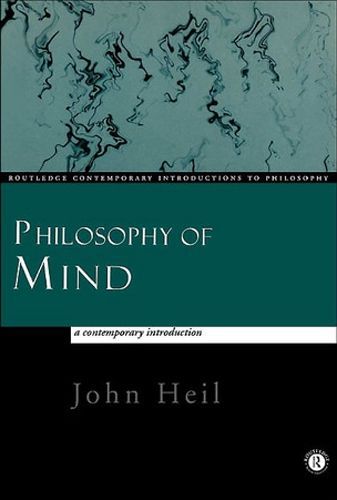
Philosophy of Mind: A Contemporary Introductioncovers the major topics typically studied in philosophy of mind and discusses the dualist, behaviorist, functionalist, interpretationist, and eliminativist accounts of the nature of mind, along with a critical assessment of the recent trends in the subject. This fully revised and updated version of the highly successful first edition builds on the previously addressed themes and expands on central topics. The new edition includes: * A brand new chapter on consciousness * An expansion of the Davidson and Dennett discussions, splitting them into two stand-alone chapters * A chapter looking at general issues associated with present day approaches to the theory of mind
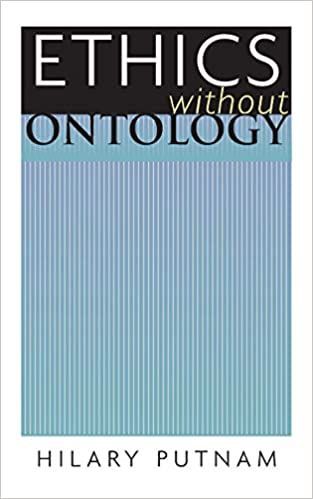
In this brief book one of the most distinguished living American philosophers takes up the question of whether ethical judgments can properly be considered objective–a question that has vexed philosophers over the past century. Looking at the efforts of philosophers from the Enlightenment through the twentieth century, Putnam traces the ways in which ethical problems arise in a historical context. Hilary Putnam’s central concern is ontology–indeed, the very idea of ontology as the division of philosophy concerned with what (ultimately) exists. Reviewing what he deems the disastrous consequences of ontology’s influence on analytic philosophy–in particular, the contortions it imposes upon debates about the objective of ethical judgments–Putnam proposes abandoning the very idea of ontology. He argues persuasively that the attempt to provide an ontological explanation of the objectivity of either mathematics or ethics is, in fact, an attempt to provide justifications that are extraneous to mathematics and ethics–and is thus deeply misguided.
Mark Platts’ influential first book “Ways of Meaning” argued within the context of the philosophy of language that a realist’ account of moral thought was possible. “Moral Realities” defends the same possibility from the perspective of the philosophy of psychology. “Moral Realities” engages the classical moral philosophies of Hume, Mandeville and Nietzsche, and tackles the powerful arguments of the contemporary moral relativists. Platts uses an existing critique of philosophical notions of desire and value to present a descriptive metaphysics of morals–clarifying both what morality is and what it is not. He also employs a classification of desire that articulates a general theory of value and valuing which is distinguished by a cognitive approach given to certain kinds of moral valuing. The possibility of applying this approach to moral valuings is defended against the persuasive criticisms of both the Humean subjectivist and the contemporary moral relativist. This is a challenging book which illuminates many of the major issues of contemporary moral philosophy including: the practical nature of moral thought, free will and choice, morality and religious belief, and the pragmatics of moral discourse.
ما از اخلاق چه انتظاری داریم؟ این سوال شاید تاحدودی برای عموم مردم و یا متخصصان این رشته قابل پاسخ باشد؛ اینکه خوب بودن را به ما بیاموزد و در تنظیم روابط فردی م...

جشن کتاب تهران به ایستگاه سی و یکم رسیده است. حال و احوال نشر کتاب خوب نیست و باید فرهنگدوستان را به خرید و هدیه دادن کتاب ترغیب نمود. خانه اخلاقپژوهان جوان ب...

بنیاد کتابهای اخلاق اسلامی عمدتا پالایش جان از آلودگیها و آراستن آن به زیباییها است. اندیشه محوری این قبیل کتابها آن است که انسان فعلی آنی نیست که باید باشد...

-
0 Comments