Notice: تابع WP_Block_Type_Registry::register به طورنادرست فراخوانی شد. نامهای نوع بلوک نباید حروف بزرگ داشته باشند. لطفاً برای اطلاعات بیشتر، اشکال زدایی در وردپرس را مشاهده کنید. (این پیام در نگارش 5.0.0 افزوده شده است.) in /home/ethicsho/public_html/wp-includes/functions.php on line 5313
Warning: Use of undefined constant TDC_PATH_LEGACY - assumed 'TDC_PATH_LEGACY' (this will throw an Error in a future version of PHP) in /home/ethicsho/public_html/wp-content/plugins/td-composer/td-composer.php on line 109
Warning: Use of undefined constant TDSP_THEME_PATH - assumed 'TDSP_THEME_PATH' (this will throw an Error in a future version of PHP) in /home/ethicsho/public_html/wp-content/plugins/td-composer/td-composer.php on line 113 بایگانیهای Cristina Bicchieri - خانه اخلاق پژوهان جوان Notice: Trying to access array offset on value of type bool in /home/ethicsho/public_html/wp-content/plugins/wp-ulike/inc/general-functions.php on line 807
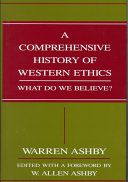
Our intellectual history spans more than 2,000 years, yet, surprisingly, we have had no adequate history of Western ethics. A Comprehensive History of Western Ethics fills this void by providing an engaging, thorough, and inclusive history that encompasses both classical and modern perspectives. Author Warren Ashby speaks both to students of history and ethics and to a needy public interested in but often perplexed by moral values in contemporary life — people who are looking for clearer personal and social bearings on what it means to be a person in today’s society. Ashby embraces all who are concerned with expanding human rights, finding new ways to think about moral experience, and discovering an ethical perspective appropriate for their lives. By exploring past ethical problems, we can prepare for the future’s challenges.Included with the commentary on the writings of great thinkers, are in-depth discussions of Greek, biblical, and Stoic ethics; Augustine, Aquinas, and medieval views; the Renaissance, the Reformation, and ethics in the age of science; as well as the Enlightenment, Romanticism, and the last Western century.
“In this book, Michael Lynch argues that truth does matter, in both our personal and political lives. Lynch explains that the growing cynicism over truth stems in large part from our confusion over what truth is.” “True to Life defends four simple claims : that truth is objective; that it is good to believe what is true; that truth is a goal worthy of inquiry; and that truth can be worth caring about for its own sake – not just because it gets us other things we want. In defense of these “truisms about truth,” Lynch diagnoses the sources of our cynicism and argues that many contemporary theories of truth cannot adequately account for its value. He explains why we should care about truth, arguing that truth and its pursuit are part of living a happy life, important in our personal relationships and for our political values.”–BOOK JACKET.
“What is the purpose of the economy? To answer this intriguing and fundamental question, this book provides a systematic approach to economic ethics and constructs a relationship between the economy and morality; it expounds theoretical and practical issues of economic philosophy along two dimensions: values and institutions.” “Economists, philosophers and scholars of social policy and the welfare state will all find this book of great interest – part of its appeal lying in its interdisciplinary approach to contemporary economic, political and social systems based on the synthesis of moral values.”–BOOK JACKET.
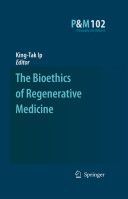
Regenerative medicine is rich with promethean promises. The use of human embryonic stem cells in research is justified by its advocates in terms of promises to cure a wide range of diseases and disabilities, from Alzheimer’s and Parkinsonism to the results of heart attacks and spinal cord injuries. More broadly, there is the promethean allure of being able to redesign human biological nature in terms of the goals and concerns of humans. Needless to say, these allures and promises have provoked a wide range of not just moral but metaphysical reflections that reveal and reflect deep fault-lines in our cultures. The essays in this volume, directly and indirectly, present the points of controversy as they tease out the character of the moral issues that confront any attempt to develop the human regenerative technologies that might move us from a human to a post-human nature. Although one can appreciate the disputes as independently philosophical, they are surely also a function of the conflict between a Christian and a post-Christian culture, in that Christianity has from its beginning recognized a fundamental prohibition against the taking of early human life. Even the philosophical disputes that frame secular bioethics are often motivated and shaped by these background cultural conflicts. These essays display this circumstance in rich ways.
ما از اخلاق چه انتظاری داریم؟ این سوال شاید تاحدودی برای عموم مردم و یا متخصصان این رشته قابل پاسخ باشد؛ اینکه خوب بودن را به ما بیاموزد و در تنظیم روابط فردی م...

جشن کتاب تهران به ایستگاه سی و یکم رسیده است. حال و احوال نشر کتاب خوب نیست و باید فرهنگدوستان را به خرید و هدیه دادن کتاب ترغیب نمود. خانه اخلاقپژوهان جوان ب...

بنیاد کتابهای اخلاق اسلامی عمدتا پالایش جان از آلودگیها و آراستن آن به زیباییها است. اندیشه محوری این قبیل کتابها آن است که انسان فعلی آنی نیست که باید باشد...

-
0 Comments