Notice: تابع WP_Block_Type_Registry::register به طورنادرست فراخوانی شد. نامهای نوع بلوک نباید حروف بزرگ داشته باشند. لطفاً برای اطلاعات بیشتر، اشکال زدایی در وردپرس را مشاهده کنید. (این پیام در نگارش 5.0.0 افزوده شده است.) in /home/ethicsho/public_html/wp-includes/functions.php on line 5313
Warning: Use of undefined constant TDC_PATH_LEGACY - assumed 'TDC_PATH_LEGACY' (this will throw an Error in a future version of PHP) in /home/ethicsho/public_html/wp-content/plugins/td-composer/td-composer.php on line 109
Warning: Use of undefined constant TDSP_THEME_PATH - assumed 'TDSP_THEME_PATH' (this will throw an Error in a future version of PHP) in /home/ethicsho/public_html/wp-content/plugins/td-composer/td-composer.php on line 113 بایگانیهای Chris Stone - خانه اخلاق پژوهان جوان Notice: Trying to access array offset on value of type bool in /home/ethicsho/public_html/wp-content/plugins/wp-ulike/inc/general-functions.php on line 807
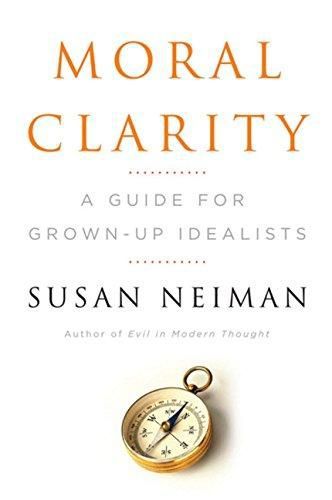
Susan Neiman is a moral philosopher committed to making the tools of her trade relevant to real life. In Moral Clarity, she shows how resurrecting a moral vocabulary good and evil, heroism and nobility can steer us clear of the dogmas of the right and the helpless pragmatism of the left. In search of a framework for forming clear opinions and taking responsible action on today’s urgent political and social questions, Neiman reaches back to the eighteenth century, retrieving a set of virtues happiness, reason, reverence, and hope that were held high by every Enlightenment thinker. She shows that the pursuit of moral clarity is not a matter of religious faith but is open to all who are committed to these ideals, believers and nonbelievers alike. And she draws on literature, evolutionary theory, and other contemporary research to show why, by keeping before us the distinction between the real and the possible, these ideals continue to guide and inspire.
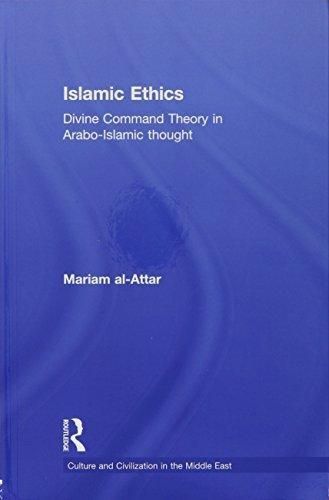
This book explores philosophical ethics in Arabo-Islamic thought. Examining the meaning, origin and development of “Divine Command Theory”, it underscores the philosophical bases of religious fundamentalism that hinder social development and hamper dialogue between different cultures and nations.Challenging traditional stereotypes of Islam, the book refutes contemporary claims that Islam is a defining case of ethical voluntarism, and that the prominent theory in Islamic ethical thought is Divine Command Theory. The author argues that, in fact, early Arab-Islamic scholars articulated moral theories: theories of value and theories of obligation. She traces the development of Arabo-Islamic ethics from the early Islamic theological and political debates between the Kharijites and the Murji’ites, shedding new light on the moral theory of Abd al-Jabbar al-Mu’tazili and the effects of this moral theory on post-Mu’tazilite ethical thought.Highlighting important aspects in the development of Islamic thought, this book will appeal to students and scholars of Islamic moral thought and ethics, Islamic law, and religious fundamentalism.
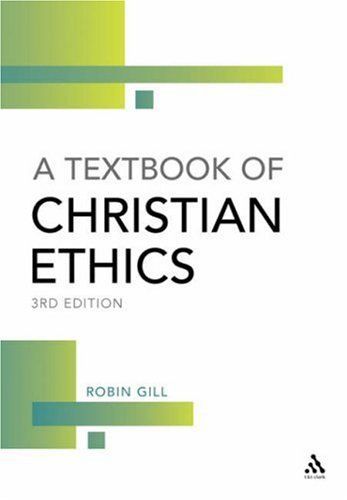
Sets out modern contributions to Christian ethics alongside texts from Augustine, Aquinas and Luther. The modern writers range from thinkers such as Niebuhr, Barth and Bonhoeffer to liberation and Third World theologians. The differing ethical positions and arguments are examined together with social and historical factors which shaped them.
This introduction to ethics judiciously combines moral theory with applied ethics to give an opportunity for students to develop acute thinking About Ethical Matters.; The Author Begins Motivating A Concern For moral discourse by dispelling often met objections over relativism and subjectivity. interweaving normative and meta-ethical considerations, a convincing modern account of moral thinking emerges.; Moral theories – consequentialism, Kantianism, contractualism – are explained and illustrated in a way that holds the reader’s attention, and students of ethics will take away a perceptive and practical understanding of the nature of moral reasoning and an ability, on such matters, to think afresh for themselves.
ما از اخلاق چه انتظاری داریم؟ این سوال شاید تاحدودی برای عموم مردم و یا متخصصان این رشته قابل پاسخ باشد؛ اینکه خوب بودن را به ما بیاموزد و در تنظیم روابط فردی م...

جشن کتاب تهران به ایستگاه سی و یکم رسیده است. حال و احوال نشر کتاب خوب نیست و باید فرهنگدوستان را به خرید و هدیه دادن کتاب ترغیب نمود. خانه اخلاقپژوهان جوان ب...

بنیاد کتابهای اخلاق اسلامی عمدتا پالایش جان از آلودگیها و آراستن آن به زیباییها است. اندیشه محوری این قبیل کتابها آن است که انسان فعلی آنی نیست که باید باشد...

-
0 Comments