Notice: تابع WP_Block_Type_Registry::register به طورنادرست فراخوانی شد. نامهای نوع بلوک نباید حروف بزرگ داشته باشند. لطفاً برای اطلاعات بیشتر، اشکال زدایی در وردپرس را مشاهده کنید. (این پیام در نگارش 5.0.0 افزوده شده است.) in /home/ethicsho/public_html/wp-includes/functions.php on line 5313
Warning: Use of undefined constant TDC_PATH_LEGACY - assumed 'TDC_PATH_LEGACY' (this will throw an Error in a future version of PHP) in /home/ethicsho/public_html/wp-content/plugins/td-composer/td-composer.php on line 109
Warning: Use of undefined constant TDSP_THEME_PATH - assumed 'TDSP_THEME_PATH' (this will throw an Error in a future version of PHP) in /home/ethicsho/public_html/wp-content/plugins/td-composer/td-composer.php on line 113 بایگانیهای Andy Miah - خانه اخلاق پژوهان جوان Notice: Trying to access array offset on value of type bool in /home/ethicsho/public_html/wp-content/plugins/wp-ulike/inc/general-functions.php on line 807
What shapes political behavior more: the situations in which individuals find themselves, or the internal psychological makeup-beliefs, values, and so on-of those individuals? This is perhaps the leading division within the psychological study of politics today. Political Psychology: Situations, Individuals, and Cases provides a concise, readable, and conceptually-organized introduction to the topic of political psychology by examining this very question.Using this situationism-dispositionism frameworkâwhich roughly parallels the concerns of social and cognitive psychologyâthis book focuses on such key explanatory mechanisms as behaviorism, obedience, personality, groupthink, cognition, affect, emotion, and neuroscience to explore topics ranging from voting behavior and racism to terrorism and international relations.Houghton’s clear and engaging examples directly challenge students to place themselves in both real and hypothetical situations which involve intense moral and political dilemmas. This highly readable text will provide students with the conceptual foundation they need to make sense of the rapidly changing and increasingly important field of political psychology.David Patrick Houghton is Associate Professor of Political Science at the University of Central Florida.
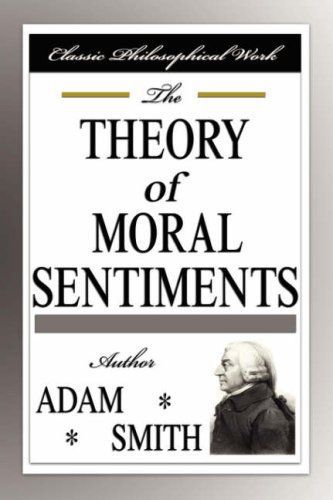
The Theory of Moral Sentiments is an important philosophical work by Scottish philosopher and political economist Adam Smith. Smith writes largely about moral rights, focusing on the nature of morality and the motive of morality. This key work is divided into four parts which are Ethics and Virtue, Private Rights and Natural Liberty, Familial Rights and State and Individual Rights. The Theory of Moral Sentiments is highly recommended for those who are interested in the writings of Adam Smith and also those who are discovering his works for the first time.
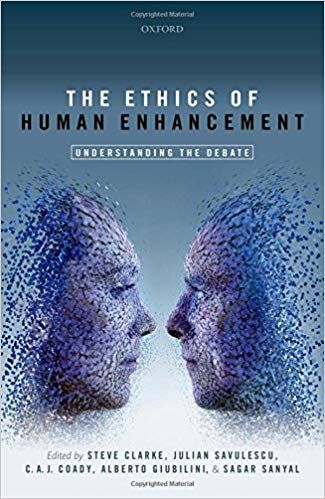
We humans can enhance some of our mental and physical abilities above the normal upper limits for our species with the use of particular drug therapies and medical procedures. We will be able to enhance many more of our abilities in more ways in the near future. Some commentators have welcomed the prospect of wide use of human enhancement technologies, while others have viewed it with alarm, and have made clear that they find human enhancement morally objectionable. ‘The Ethics of Human Enhancement’ examines whether the reactions can be supported by articulated philosophical reasoning, or perhaps explained in terms of psychological influences on moral reasoning. An international team of ethicists refresh the debate with new ideas and arguments, making connections with scientific research and with related issues in moral philosophy.–
ما از اخلاق چه انتظاری داریم؟ این سوال شاید تاحدودی برای عموم مردم و یا متخصصان این رشته قابل پاسخ باشد؛ اینکه خوب بودن را به ما بیاموزد و در تنظیم روابط فردی م...

جشن کتاب تهران به ایستگاه سی و یکم رسیده است. حال و احوال نشر کتاب خوب نیست و باید فرهنگدوستان را به خرید و هدیه دادن کتاب ترغیب نمود. خانه اخلاقپژوهان جوان ب...

بنیاد کتابهای اخلاق اسلامی عمدتا پالایش جان از آلودگیها و آراستن آن به زیباییها است. اندیشه محوری این قبیل کتابها آن است که انسان فعلی آنی نیست که باید باشد...

-
0 Comments